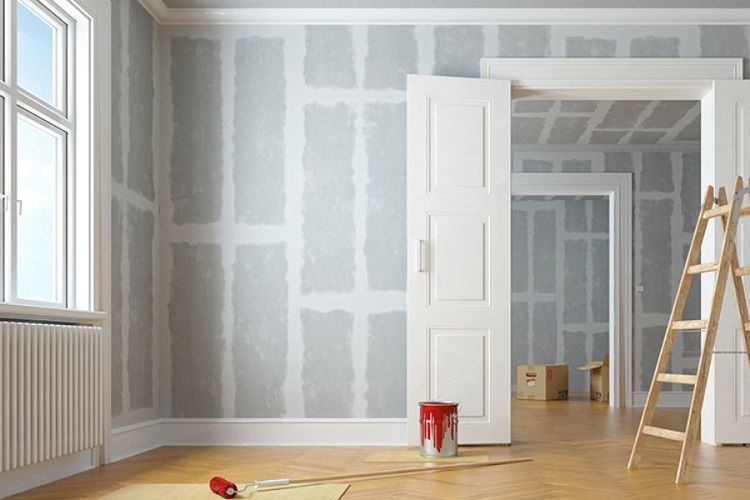
Home renovation projects often require a significant budget, whether you're replacing an aging roof, installing energy-efficient siding, remodeling a kitchen, or upgrading outdated mechanical systems. For homeowners with substantial home equity, a cash out refinance can be one of the most cost-effective financing options available.
Understanding cash out refinance for home renovation rates 2026 is essential before replacing your current mortgage. Interest rates, closing costs, loan qualifications, equity requirements, and long-term repayment all influence whether this financing strategy makes financial sense.
This guide explains how cash out refinancing works, current rate trends for 2026, qualification requirements, renovation planning, cost considerations, alternatives, and practical tips to help homeowners make informed decisions.
What Is a Cash Out Refinance?
A cash out refinance replaces your existing mortgage with a new, larger mortgage. The difference between your current mortgage balance and the new loan amount is paid to you as cash, which can be used for eligible purposes, including home renovations.
Instead of taking out a separate renovation loan, you're refinancing your primary mortgage.
Example
| Item | Amount |
|---|---|
| Home Value | $500,000 |
| Existing Mortgage | $250,000 |
| New Mortgage | $350,000 |
| Cash Received | $100,000 |
The homeowner now has one mortgage while receiving funds to complete renovations.
Why Homeowners Choose Cash Out Refinancing for Renovations
Many renovation projects increase comfort, improve functionality, and may enhance resale value. Cash out refinancing is commonly used to fund:
- Roof replacement
- Siding installation
- HVAC upgrades
- Kitchen remodeling
- Bathroom renovation
- Room additions
- Solar installation
- Window replacement
- Foundation repairs
- Flooring replacement
- Energy efficiency improvements
- Accessibility modifications
Unlike credit cards or unsecured personal loans, mortgage-backed financing often provides longer repayment periods.
Cash Out Refinance Rates for Home Renovation in 2026
Mortgage rates continuously change based on:
- Inflation
- Federal Reserve monetary policy
- Treasury yields
- Mortgage-backed securities markets
- Borrower credit profile
- Loan-to-value ratio (LTV)
- Property type
- Loan amount
- Occupancy status
There is no single national cash out refinance rate for 2026, as lenders price loans individually based on risk and market conditions.
Generally, homeowners should expect:
| Factor | Effect on Rate |
|---|---|
| Excellent credit | Lower rate opportunities |
| Lower LTV | Better pricing |
| Higher equity | More favorable terms |
| Primary residence | Better rates than investment property |
| Higher debt-to-income ratio | May increase pricing |
| Cash out amount | Can influence lender pricing |
Because cash out refinance loans usually involve greater lender risk than standard refinance loans, rates are often somewhat higher than traditional rate-and-term refinancing.
How Much Equity Do You Need?
Most mortgage lenders require homeowners to maintain a certain amount of equity after refinancing.
Many lenders commonly allow borrowing up to approximately 80% of the home's appraised value, although limits vary by lender and loan program.
Equity Calculation Example
| Item | Amount |
|---|---|
| Home Value | $600,000 |
| Maximum 80% LTV | $480,000 |
| Existing Mortgage | $300,000 |
| Potential Cash Available | $180,000 |
Actual available funds will also be reduced by closing costs and lender fees.
Who Qualifies?
While requirements differ among lenders, applicants generally need:
- Stable income
- Acceptable debt-to-income ratio
- Sufficient home equity
- Good credit history
- Property appraisal
- Mortgage payment history
- Proof of employment or income
Lenders evaluate overall financial risk rather than relying on one factor alone.
Best Renovation Projects for Cash Out Refinancing
Not every renovation provides equal value.
High-Value Exterior Improvements
| Project | Primary Benefits |
|---|---|
| New roofing | Weather protection, resale appeal |
| Fiber cement siding | Durability, lower maintenance |
| Vinyl siding | Cost-effective exterior update |
| Window replacement | Improved energy efficiency |
| Insulated garage door | Curb appeal and efficiency |
Interior Improvements
- Kitchen remodel
- Bathroom upgrades
- Flooring replacement
- Interior painting
- Lighting modernization
- Smart home upgrades
Structural Improvements
- Foundation repairs
- Drainage improvements
- Basement finishing
- Structural reinforcement
Roofing and Siding Projects Worth Financing
Exterior renovations often represent major capital investments.
Roof Replacement
A roof nearing the end of its service life may increase maintenance expenses and insurance concerns.
Modern roofing systems may include:
- Architectural asphalt shingles
- Metal roofing
- Synthetic roofing products
- Clay tile
- Concrete tile
- Composite shingles
Choosing qualified contractors and following manufacturer installation requirements helps preserve warranty coverage.
Siding Replacement
New siding can improve:
- Moisture resistance
- Exterior appearance
- Insulation performance
- Maintenance requirements
Popular materials include:
| Material | Characteristics |
|---|---|
| Vinyl | Affordable, low maintenance |
| Fiber cement | Durable, fire resistant |
| Engineered wood | Traditional appearance |
| Metal | Long lifespan |
| Brick veneer | Premium appearance |
How the Cash Out Refinance Process Works
Step 1: Determine Home Equity
Estimate your home's current market value.
Step 2: Compare Multiple Lenders
Review:
- Interest rates
- Annual Percentage Rate (APR)
- Closing costs
- Loan fees
- Discount points
- Repayment terms
Step 3: Apply
Documentation commonly includes:
- Income verification
- Tax returns
- Asset statements
- Employment verification
Step 4: Home Appraisal
An appraisal establishes the property's current market value.
Step 5: Underwriting
The lender reviews:
- Credit
- Income
- Assets
- Property value
- Existing mortgage
Step 6: Closing
The old mortgage is paid off, and qualifying borrowers receive the approved cash proceeds after closing.
Costs Beyond the Interest Rate
Many homeowners focus only on the advertised rate.
However, refinancing also involves:
| Potential Cost | Description |
|---|---|
| Appraisal fee | Property valuation |
| Origination fee | Lender processing |
| Credit report | Borrower evaluation |
| Title services | Ownership verification |
| Recording fees | Local government filing |
| Closing costs | Combined transaction expenses |
These costs should be considered when determining overall savings
Comparing Renovation Financing Options
| Financing Option | Best For | Considerations |
|---|---|---|
| Cash out refinance | Large renovations with substantial equity | Replaces existing mortgage |
| Home equity loan | Fixed borrowing amount | Separate monthly payment |
| HELOC | Flexible project spending | Variable rates may apply |
| Personal loan | Smaller projects | Typically shorter repayment periods |
| Contractor financing | Specific projects | Terms vary significantly |
The best option depends on current mortgage terms, available equity, project size, and long-term financial goals.
When Cash Out Refinancing Makes Sense
It may be appropriate when:
- You have significant equity.
- The renovation budget is substantial.
- You want one monthly mortgage payment.
- The improvements support long-term ownership goals.
- The new mortgage terms align with your financial objectives.
When It May Not Be the Best Choice
Consider alternatives if:
- Your current mortgage has a significantly lower interest rate than available refinance rates.
- You recently purchased the home and have limited equity.
- Renovation costs are relatively small.
- You plan to move soon.
- Closing costs outweigh the financial benefit.
Renovations That May Improve Long-Term Value
Although no renovation guarantees a specific return on investment, projects commonly prioritized by homeowners include:
- Roof replacement
- Exterior siding
- Energy-efficient windows
- Kitchen modernization
- Bathroom remodeling
- HVAC replacement
- Improved insulation
- Water management improvements
Market conditions, local demand, workmanship quality, and ongoing maintenance all influence resale outcomes.
Insurance Considerations
Major renovations may affect homeowners insurance.
After completing improvements:
- Notify your insurance provider.
- Update replacement cost estimates if necessary.
- Keep receipts and contractor documentation.
- Photograph completed work.
- Retain warranty information.
Some improvements may qualify for insurance discounts depending on the insurer and project type.
Choosing the Right Contractor
Before signing a contract:
Verify Credentials
- Proper licensing where required
- Insurance coverage
- Local references
- Manufacturer certifications (when applicable)
Review Written Proposals
Compare:
- Scope of work
- Materials
- Timeline
- Payment schedule
- Warranty coverage
Avoid selecting a contractor based solely on the lowest price.
Maintenance Checklist After Renovation
Regular maintenance helps protect your investment.
Roofing
- Inspect after major storms.
- Keep gutters clean.
- Remove debris.
- Address damaged shingles promptly.
- Schedule periodic professional inspections.
Siding
- Wash annually as recommended by the manufacturer.
- Check for cracks or loose panels.
- Inspect caulking around openings.
- Trim vegetation away from exterior walls.
General Home Improvements
- Maintain records of repairs.
- Register product warranties when required.
- Inspect moisture-prone areas regularly.
- Follow manufacturer maintenance guidelines.
Common Mistakes to Avoid
- Borrowing more than necessary.
- Ignoring total refinancing costs.
- Comparing only advertised interest rates.
- Starting renovations before financing is finalized.
- Hiring unlicensed contractors.
- Skipping written contracts.
- Overlooking permit requirements where applicable.
- Failing to budget for unexpected expenses.
Helpful Resources for Homeowners
Several organizations provide reliable information on homeownership, financing, energy efficiency, and construction practices:
| Organization | Resource Focus |
|---|---|
| U.S. Department of Housing and Urban Development (HUD) | Homeownership and housing counseling |
| Federal Housing Administration (FHA) | FHA-insured mortgage programs |
| U.S. Department of Energy (DOE) | Energy-efficient home improvements |
| Environmental Protection Agency (EPA) | Healthy homes and environmental guidance |
| ENERGY STAR | Certified energy-efficient products |
| National Roofing Contractors Association (NRCA) | Roofing best practices and maintenance |
| International Code Council (ICC) | Model building codes and safety standards |
These organizations publish educational materials that can help homeowners make informed renovation and financing decisions.
Frequently Asked Questions
Is cash out refinancing only for major renovations?
No. Homeowners may use funds for projects of various sizes, provided they qualify for the refinance and the amount borrowed aligns with lender requirements and their financial goals.
Does a cash out refinance require an appraisal?
In many cases, yes. Lenders typically use a professional appraisal to determine the home's current market value and calculate available equity.
Can I use cash out refinance funds for roofing?
Yes. Roof replacement, structural repairs, siding installation, and other home improvement projects are common uses for cash out refinance proceeds.
Are cash out refinance rates higher than regular refinance rates?
They often are. Because lenders generally view cash out refinancing as carrying additional risk, pricing may be slightly higher than comparable rate-and-term refinance loans.
Should I refinance if I already have a very low mortgage rate?
It depends. Replacing a low-rate mortgage with a higher-rate loan could increase long-term borrowing costs, even if it provides cash for renovations. Compare the total cost of refinancing with other financing options before making a decision.
Final Thoughts
A cash out refinance for home renovation in 2026 can be an effective way to finance substantial home improvements when you have sufficient equity and favorable loan qualifications. By replacing an existing mortgage with a larger one, homeowners can access funds for projects ranging from roof replacement and siding upgrades to kitchen remodels and energy-efficiency improvements.
However, the decision should extend beyond comparing interest rates alone. Carefully evaluate closing costs, the impact of resetting your mortgage term, your current mortgage rate, available equity, and the expected benefits of the renovation. Obtaining quotes from multiple lenders, working with qualified contractors, and consulting authoritative resources such as HUD, FHA, DOE, EPA, NRCA, and ENERGY STAR can help ensure your financing strategy supports both your renovation goals and your long-term financial well-being.