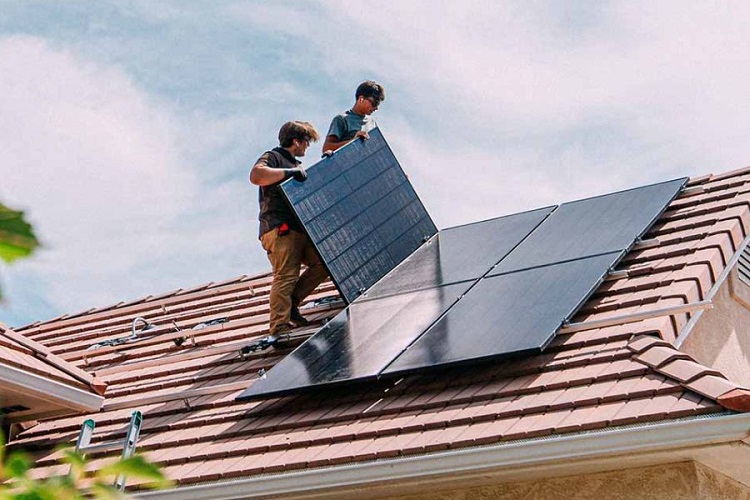
Replacing an aging roof or installing solar panels can significantly improve a home's value, energy efficiency, and long-term durability. However, these upgrades often require a substantial upfront investment. For homeowners who want to spread out the cost without using a traditional home improvement loan, PACE financing offers an alternative financing option available in certain states and local jurisdictions.
Property Assessed Clean Energy (PACE) financing allows eligible property owners to finance qualifying energy efficiency, renewable energy, and resilience improvements through a special assessment added to their property tax bill. For many homeowners, this can make projects like roof replacement and solar installation more financially accessible.
This guide explains PACE financing for roof and solar, including eligibility requirements, covered improvements, costs, repayment, advantages, disadvantages, and important considerations before signing a financing agreement.
What Is PACE Financing?
Property Assessed Clean Energy (PACE) financing is a financing mechanism that enables property owners to pay for eligible improvements through a voluntary assessment on their property tax bill.
Unlike a conventional loan:
- The financing is tied to the property rather than an unsecured personal loan.
- Repayment is generally collected alongside property taxes.
- Projects must meet local program requirements.
- Availability depends on state and local government authorization.
PACE programs are generally divided into two categories:
| Program | Property Type |
|---|---|
| Residential PACE (R-PACE) | Owner-occupied homes (available only in certain states) |
| Commercial PACE (C-PACE) | Commercial, industrial, agricultural, nonprofit, and multifamily properties, depending on local laws |
How PACE Financing Works
The financing process is relatively straightforward but involves several parties, including the property owner, contractor, financing provider, and local government.
Typical Process
- Verify that your property is located in a participating PACE jurisdiction.
- Confirm that your planned improvements qualify.
- Select an approved contractor if required by the program.
- Apply through a participating PACE administrator or financing provider.
- Complete the installation.
- The contractor is paid after project approval.
- Repay the financing through a special assessment on your property tax bill over the approved term.
Unlike many traditional loans, repayment is generally integrated into the property's annual or semiannual tax payments.
Roof Projects That May Qualify
Roof improvements often qualify when they contribute to energy efficiency, weather resilience, or property protection under applicable program rules.
Eligible projects may include:
- Complete roof replacement
- Energy-efficient roofing systems
- Cool roofs designed to reduce heat absorption
- Roof insulation improvements
- Hurricane-resistant roofing in eligible regions
- Fire-resistant roofing materials
- Roof repairs associated with approved energy upgrades
Program requirements vary by jurisdiction, so homeowners should verify whether a specific roofing project qualifies before signing a contract.
Solar Improvements Eligible for PACE Financing
Solar energy systems are among the most common projects financed through PACE.
Eligible improvements may include:
- Rooftop solar photovoltaic (PV) systems
- Solar battery storage (where permitted)
- Solar mounting systems
- Electrical upgrades needed for solar installation
- Inverters
- Monitoring equipment
- Associated permitting costs
Some local programs may also include additional renewable energy improvements.
Other Improvements That May Be Eligible
Many PACE programs support a wide range of property improvements beyond roofing and solar.
Common qualifying upgrades include:
- HVAC replacement
- High-efficiency windows
- Exterior doors
- Attic insulation
- Air sealing
- Heat pump systems
- Water-efficient landscaping (in some areas)
- Efficient water heaters
- Storm-resistance improvements
- Seismic retrofits where authorized
Each jurisdiction establishes its own list of eligible improvements.
Who Is Eligible for PACE Financing?
Eligibility requirements vary by state and local program, but homeowners typically must meet criteria related to both the property and their financial standing.
Property Requirements
Properties often must:
- Be located within a participating PACE district
- Have no involuntary property tax liens
- Be current on mortgage and property tax payments
- Meet local ownership requirements
Homeowner Requirements
Programs may evaluate:
- Property ownership
- Payment history
- Existing mortgage obligations
- Equity in the property
- Recent bankruptcy status, depending on program rules
Unlike some traditional loans, qualification may rely more heavily on property-related factors than solely on credit scores, although underwriting practices differ among programs.
States Where Residential PACE May Be Available
Residential PACE availability has changed over time because states have adopted different laws and consumer protection requirements.
Availability depends on:
- State legislation
- County participation
- Municipal participation
- Active local PACE administrators
Before applying, homeowners should confirm whether Residential PACE is currently offered in their area and whether new enrollments are being accepted.
Costs Included in PACE Financing
Many programs allow financing of project-related expenses in addition to equipment.
| Eligible Expense | Commonly Included |
|---|---|
| Roofing materials | ✔ |
| Solar panels | ✔ |
| Labor | ✔ |
| Permits | ✔ |
| Engineering | ✔ |
| Design services | ✔ |
| Equipment | ✔ |
| Installation | ✔ |
| Inspection fees | May be included |
| Program fees | May apply |
Actual eligible costs depend on the local PACE program.
Repayment Terms
PACE financing terms are generally designed to align with the expected useful life of the improvements.
Depending on the program:
- Repayment periods may extend for many years.
- Payments are typically collected through property tax bills.
- Early payoff options may be available, subject to program terms.
- Interest rates and fees vary by financing provider and local program.
Homeowners should carefully review the financing agreement to understand the total repayment obligation.
Advantages of PACE Financing
PACE financing offers several potential benefits for eligible homeowners
Helps Preserve Cash Flow
Instead of paying the entire project cost upfront, homeowners can spread payments over time.
Supports Major Home Improvements
PACE financing may make large projects more manageable, including:
- Roof replacement
- Solar installation
- Energy efficiency upgrades
- Storm-hardening improvements
Long Repayment Periods
Longer repayment terms can reduce individual payment amounts compared with shorter-term financing, although the total amount repaid may be higher over time.
Encourages Energy Improvements
By reducing upfront costs, PACE programs can support investments that improve energy performance and resilience.
Potential Drawbacks
PACE financing is not the right solution for every homeowner.
Consider the following factors:
- Availability is limited to participating jurisdictions.
- Repayment is added to property tax bills.
- Financing costs, including interest and fees, should be reviewed carefully.
- Selling or refinancing a home may require additional coordination depending on program rules, lender requirements, and applicable laws.
- Not every contractor participates in every PACE program.
Understanding these considerations can help homeowners make an informed financing decision.
PACE Financing vs. Other Home Improvement Financing
| Feature | PACE Financing | Home Equity Loan | HELOC | Personal Loan |
|---|---|---|---|---|
| Secured by property | Special assessment | Yes | Yes | Usually No |
| Repayment through property taxes | Yes | No | No | No |
| Large renovation projects | Yes | Yes | Yes | Depends |
| Solar eligible | Yes (if program allows) | Yes | Yes | Yes |
| Roof replacement eligible | Often | Yes | Yes | Yes |
| Availability nationwide | No | Broadly available | Broadly available | Broadly available |
The best financing option depends on the homeowner's financial goals, eligibility, and local program availability.
Choosing a Contractor
Selecting an experienced contractor is essential for both roofing and solar projects.
Look for professionals who:
- Hold required state or local licenses
- Carry adequate liability and workers' compensation insurance
- Have experience with similar installations
- Understand applicable building permits
- Can provide written estimates and project timelines
- Offer clear warranty information
Obtaining multiple quotes can help homeowners compare scope, pricing, and workmanship.
Roof and Solar Installation Best Practices
When combining roof replacement with solar installation, many homeowners choose to complete the roofing project first if the existing roof is nearing the end of its service life.
Benefits of replacing the roof before installing solar may include:
- Avoiding future panel removal for roof replacement
- Simplifying installation logistics
- Extending the lifespan of the overall roofing system
- Providing a suitable foundation for solar equipment
A coordinated approach between the roofing contractor and solar installer can reduce delays and improve project efficiency.
Maintenance Tips After Installation
Regular maintenance helps protect the investment and maintain system performance.
Roofing Maintenance Checklist
- Inspect shingles or roofing materials after major storms.
- Keep gutters and downspouts clear.
- Check flashing around chimneys and vents.
- Remove debris from roof valleys.
- Schedule periodic professional roof inspections.
Solar Maintenance Checklist
- Monitor system production through the inverter or monitoring app.
- Remove debris if it affects performance and can be done safely.
- Inspect for visible damage after severe weather.
- Schedule professional inspections when recommended by the manufacturer or installer.
- Keep nearby trees trimmed to reduce shading.
Common Mistakes to Avoid
Homeowners considering PACE financing should avoid:
- Assuming every roofing project automatically qualifies.
- Signing financing agreements before comparing alternatives.
- Failing to review repayment terms and total financing costs.
- Choosing contractors without verifying licenses and insurance.
- Ignoring manufacturer warranty requirements.
- Overlooking local permit requirements.
- Beginning work before receiving program approval, if approval is required.
Frequently Asked Questions
Can PACE financing cover both a new roof and solar panels?
In many participating programs, yes. If both improvements meet program eligibility requirements, they may be financed together.
Does PACE financing require excellent credit?
Qualification criteria vary by program. Eligibility often considers property-related factors in addition to the homeowner's financial profile.
Is PACE financing available everywhere?
No. Residential PACE is available only in certain states and participating local jurisdictions.
Will PACE financing affect property taxes?
PACE financing is typically repaid through a voluntary special assessment that appears on the property tax bill. It is distinct from the property's assessed value for taxation, although it is collected with property taxes.
Can I sell my home before the financing is repaid?
Selling a property with an outstanding PACE assessment may require additional steps depending on state law, program rules, buyer expectations, and mortgage lender requirements. Homeowners should discuss these implications before listing the property.
Homeowner Tips Before Applying
- Confirm that your county or municipality participates in a Residential PACE program.
- Compare PACE financing with home equity loans, HELOCs, and other financing options.
- Request detailed written estimates from multiple contractors.
- Review all interest, fees, repayment terms, and prepayment provisions.
- Verify that planned roofing or solar improvements are eligible under your local program.
- Understand how the assessment will appear on your property tax bill.
- Keep copies of permits, warranties, contracts, and inspection reports for future reference.
Conclusion
PACE financing can provide an effective way for eligible homeowners to finance roof replacements, solar energy systems, and other qualifying energy or resilience improvements without paying the full cost upfront. By repaying the financing through a special assessment on the property tax bill, homeowners may be able to undertake substantial projects that improve comfort, reduce energy consumption, and increase long-term property value.
Before moving forward, it's important to confirm local program availability, compare financing alternatives, understand the total repayment obligation, and work with qualified contractors. Taking these steps can help ensure that a roof or solar project delivers lasting benefits while aligning with both your financial goals and your home's long-term needs.