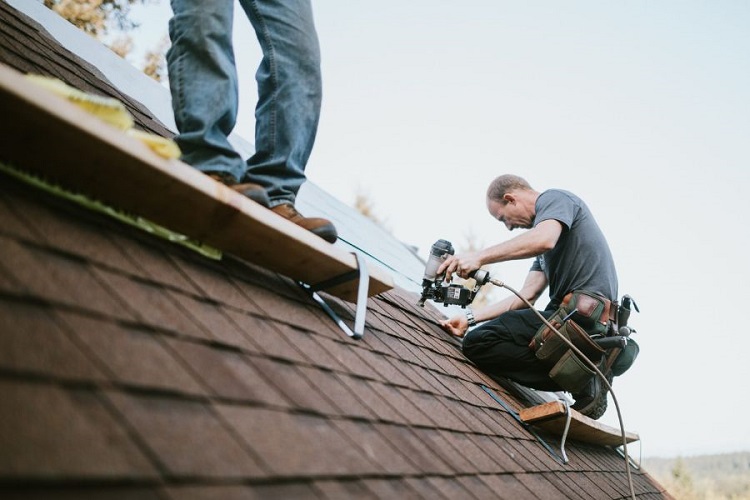
A damaged or aging roof is one of the most important home repairs you can face. Whether your roof has reached the end of its lifespan or was damaged by severe weather, replacing it is often a necessary investment rather than an optional upgrade. Unfortunately, roof replacement can be expensive, leaving many homeowners searching for roof replacement financing no money down options that allow them to begin the project immediately without making a large upfront payment.
The good news is that no-money-down roofing financing is available through various lenders, roofing contractors, banks, credit unions, and government-backed programs. However, eligibility requirements, interest rates, repayment terms, and approval criteria vary significantly. Understanding how these financing options work can help you choose a solution that fits your financial situation while avoiding costly mistakes.
This guide explains everything homeowners should know about financing a roof replacement with no down payment, including available loan options, qualification requirements, costs, repayment strategies, contractor financing, insurance considerations, and practical tips for making a smart financial decision.
What Is Roof Replacement Financing?
Roof replacement financing allows homeowners to spread the cost of installing a new roof over monthly payments instead of paying the full amount upfront.
Many financing programs are designed for:
- Full roof replacements
- Storm damage restoration
- Roof upgrades
- Energy-efficient roofing installations
- Structural roof repairs
- Residential reroofing projects
Depending on the financing provider, borrowers may qualify with no down payment while repaying the loan over several years.
What Does "No Money Down" Mean?
"No money down" means the homeowner is not required to make an initial payment before the roofing project begins.
Instead, the total project cost is financed, and repayment starts according to the lender's agreement.
A no-money-down loan does not necessarily mean:
- No interest
- No closing costs
- Guaranteed approval
- No monthly payments
- No credit review
Always review the financing agreement carefully before signing.
Why Homeowners Choose No Down Payment Roofing Financing
Roof problems often occur unexpectedly, making immediate replacement necessary.
Common reasons homeowners seek financing include:
- Storm or hail damage
- Roof leaks causing interior water damage
- Aging roofing materials
- Limited emergency savings
- Preserving available cash for other household expenses
- Taking advantage of contractor financing promotions
Financing allows homeowners to address urgent roofing needs without delaying repairs that could lead to more expensive structural damage.
Common Roof Replacement Financing Options
Several financing solutions may allow qualified borrowers to replace a roof with no upfront payment.
Contractor Financing
Many roofing companies partner with financing providers that specialize in home improvement loans.
Benefits may include:
- Convenient application process
- Fast approval decisions
- Promotional financing offers for qualified borrowers
- Ability to finance labor and materials together
Contractor financing can be an efficient option, but homeowners should compare offers with other lenders before making a decision.
Personal Loans
Unsecured personal loans are commonly used for roof replacement projects.
Advantages include:
- No home equity required
- Fixed monthly payments
- Flexible contractor selection
- Predictable repayment schedule
Loan approval generally depends on factors such as income, debt obligations, and credit history.
Home Equity Loans
Homeowners with sufficient equity may qualify for a home equity loan.
Potential benefits include:
- Lower interest rates than many unsecured loans
- Fixed repayment schedule
- Larger borrowing limits
Because the home serves as collateral, borrowers should understand the associated risks.
Home Equity Line of Credit (HELOC)
A HELOC allows homeowners to borrow against available home equity as needed.
This option may work well when roofing is part of a larger remodeling project that includes additional home improvements.
FHA Title I Home Improvement Loans
The Federal Housing Administration (FHA) insures certain home improvement loans issued by approved lenders.
Eligible homeowners may use these loans for qualified home improvements, including roof replacement, subject to lender participation and program requirements.
Credit Union Financing
Many credit unions offer competitive home improvement financing with flexible lending standards.
Benefits may include:
- Competitive interest rates
- Personalized customer service
- Lower fees than some traditional lenders
Membership requirements vary by institution.
Can You Finance an Entire Roof Replacement?
In many cases, yes.
Depending on the lender and project scope, financing may include:
| Expense | Commonly Financeable |
|---|---|
| Roofing materials | Yes |
| Labor | Yes |
| Roof tear-off | Yes |
| Underlayment | Yes |
| Flashing replacement | Yes |
| Ventilation improvements | Often |
| Permit fees | Usually |
| Waste disposal | Often |
| Skylight replacement | Sometimes |
| Gutter replacement | Sometimes |
Ask your contractor for an itemized estimate showing every cost included in the financing request.
How Much Does Roof Replacement Cost?
Roof replacement costs vary considerably based on several factors rather than a single national average.
Major pricing factors include:
- Roof size
- Roof pitch
- Material selection
- Existing roof removal
- Local labor rates
- Structural repairs
- Ventilation upgrades
- Flashing replacement
- Permit requirements
- Geographic location
Premium roofing materials generally cost more initially but may provide longer service life and lower maintenance requirements.
Popular Roofing Materials
Choosing the right roofing material affects both installation cost and long-term performance.
| Roofing Material | Typical Benefits | Considerations |
|---|---|---|
| Asphalt shingles | Affordable, widely available | Shorter lifespan than premium materials |
| Metal roofing | Durable, energy efficient | Higher initial cost |
| Architectural shingles | Improved appearance and durability | Higher price than basic shingles |
| Clay tile | Long lifespan | Heavy, may require structural evaluation |
| Concrete tile | Durable and weather resistant | Significant weight |
| Slate | Exceptional longevity | Premium installation cost |
| Synthetic roofing | Lightweight with varied styles | Performance depends on manufacturer |
The best material depends on climate, budget, home design, and local building requirements.
The Roof Replacement Financing Process
Most projects follow a similar financing process.
- Schedule a professional roof inspection.
- Receive a written estimate.
- Compare roofing materials.
- Review financing offers.
- Submit a financing application.
- Receive approval decision.
- Sign financing documents.
- Schedule roof installation.
- Begin monthly payments according to the loan agreement.
Insurance and Roof Replacement
Homeowners insurance may help cover roof replacement when damage results from a covered event such as hail, wind, or falling debris.
Coverage depends on:
- Policy terms
- Cause of damage
- Roof age
- Deductible
- Inspection findings
Insurance generally does not cover damage resulting solely from normal aging, deferred maintenance, or expected wear and tear.
If an insurance claim covers only part of the replacement cost, financing may help pay the remaining balance.
Energy-Efficient Roofing May Reduce Long-Term Costs
Modern roofing systems can improve a home's energy performance.
Homeowners should consider:
- Reflective roofing products
- Proper attic ventilation
- Adequate insulation
- ENERGY STAR-certified roofing products where appropriate
The U.S. Department of Energy notes that proper roof ventilation and insulation contribute to overall home energy efficiency alongside roofing material selection.
Choosing the Right Roofing Contractor
The quality of installation is just as important as the roofing material itself.
Before hiring a contractor, verify that they:
- Hold required licenses where applicable
- Carry liability insurance
- Provide written estimates
- Explain warranty coverage
- Offer clear financing disclosures
- Have positive customer reviews
- Follow manufacturer installation guidelines
- Obtain required permits when necessary
Requesting multiple estimates helps homeowners compare both pricing and workmanship.
Questions to Ask Before Financing
Before signing any financing agreement, ask:
- Is there a down payment requirement?
- What is the Annual Percentage Rate (APR)?
- Are promotional rates temporary?
- Is interest deferred?
- Are there prepayment penalties?
- Can monthly payments increase?
- What fees are included?
- Is financing provided directly by the contractor or a third-party lender?
Understanding these terms can prevent unexpected costs later.
Common Mistakes to Avoid
Many financing issues can be avoided with careful planning.
Avoid these common mistakes:
- Choosing the lowest monthly payment without reviewing total loan cost
- Accepting the first financing offer without comparing alternatives
- Ignoring loan fees
- Not reviewing warranty details
- Hiring an unlicensed contractor
- Financing unnecessary upgrades
- Overlooking insurance coverage options
- Failing to read the full financing agreement
Advantages and Disadvantages
Benefits
- No large upfront payment
- Immediate roof replacement
- Protects savings for emergencies
- Flexible repayment options
- May increase home value
- Helps prevent additional structural damage
Potential Drawbacks
- Interest charges may increase the total project cost
- Qualification requirements vary
- Promotional financing may have specific conditions
- Missing payments can negatively affect credit and lead to additional fees
- Secured loans may place the home at risk if repayment obligations are not met
Roof Financing Comparison
| Financing Option | Down Payment | Collateral Required | Best For |
|---|---|---|---|
| Contractor Financing | Often No | Usually No | Fast project approval |
| Personal Loan | Usually No | No | Homeowners without equity |
| Home Equity Loan | Usually No | Yes | Lower interest potential |
| HELOC | Usually No | Yes | Flexible borrowing needs |
| Credit Union Loan | Varies | Usually No | Competitive local financing |
| FHA Title I Loan | Varies | Depends on lender | Qualified home improvements |
Roof Maintenance After Replacement
Protecting your investment begins immediately after installation.
Maintenance checklist:
- Inspect the roof after major storms
- Clean gutters regularly
- Remove debris from roof surfaces
- Trim overhanging tree branches
- Check flashing around chimneys and vents
- Inspect attic ventilation
- Address minor issues before they worsen
- Schedule periodic professional roof inspections
Routine maintenance can help maximize the service life of your roofing system and preserve warranty coverage.
Frequently Asked Questions
Can I replace my roof with no money down?
Yes. Many roofing contractors and lenders offer financing programs that allow qualified borrowers to finance the full project cost without an upfront payment.
Is no-money-down roof financing available with bad credit?
Some lenders and contractor financing partners offer programs for borrowers with less-than-perfect credit, although eligibility, interest rates, and loan terms vary.
Does homeowners insurance pay for roof replacement?
Insurance may cover replacement when damage results from a covered peril, such as hail or wind, subject to policy terms, deductibles, and claim approval.
Can I finance roofing materials and labor together?
In many cases, yes. Roofing loans often include materials, labor, permits, tear-off, disposal, and other project-related expenses.
Should I choose contractor financing or a personal loan?
It depends on the interest rate, loan terms, fees, and repayment flexibility. Comparing multiple financing offers is generally the best way to determine which option provides the greatest value.
Final Thoughts
Searching for roof replacement financing no money down can be an effective way to address one of the most important home improvement projects without delaying necessary repairs. While financing allows homeowners to spread costs over time, it's essential to compare lenders, understand loan terms, evaluate total borrowing costs, and choose a qualified roofing contractor.
A new roof is a long-term investment that protects your home's structure, improves energy performance, and may enhance property value. By carefully reviewing financing options, maintaining the roofing system properly, and working with reputable professionals, homeowners can complete their roofing project with greater financial confidence and long-term peace of mind.