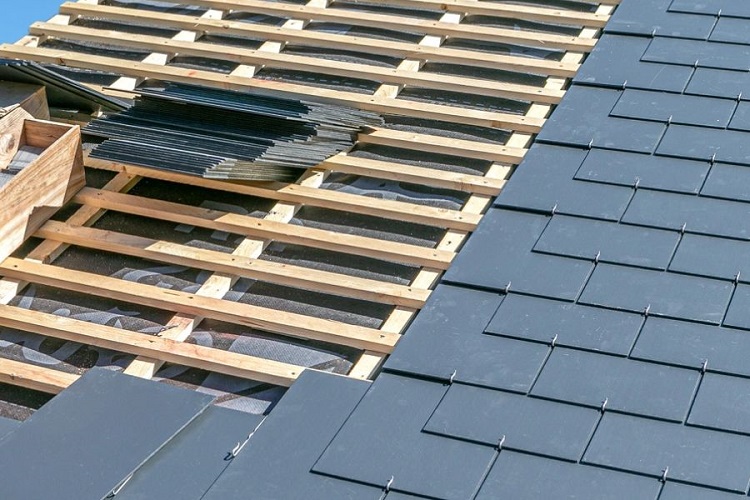
Synthetic slate roofing has become one of the fastest-growing premium roofing materials for homeowners who want the timeless appearance of natural slate without its extreme weight and installation challenges. Modern composite slate products closely replicate the texture, color variation, and architectural beauty of quarried stone while offering easier installation and compatibility with many existing residential structures.
If you're researching the best synthetic slate roofing cost installed, understanding more than just the price is essential. Material quality, roof complexity, labor rates, warranty coverage, ventilation, underlayment, and contractor experience all influence your total investment and long-term satisfaction.
This guide explains realistic installation costs, factors affecting pricing, financing possibilities, maintenance requirements, and how synthetic slate compares with natural slate, asphalt shingles, and metal roofing.
What Is Synthetic Slate Roofing?
Synthetic slate roofing, sometimes called composite slate, polymer slate, or engineered slate, is manufactured to mimic natural stone roofing using advanced materials such as:
- Engineered polymers
- Virgin resins
- Recycled plastics
- Rubber composites
- Mineral fillers
- UV-resistant additives
Unlike natural slate, which is quarried stone weighing hundreds of pounds per roofing square, synthetic alternatives are considerably lighter while maintaining a similar architectural appearance.
Many premium products are tested to recognized industry standards for:
- Impact resistance
- Fire resistance
- Wind uplift
- Weather durability
- Freeze-thaw performance
Always verify product certifications directly from the manufacturer and applicable testing agencies.
Average Synthetic Slate Roofing Cost Installed
Installed costs vary significantly depending on the manufacturer, roof size, labor market, accessibility, and local building requirements.
| Roof Size | Estimated Installed Cost |
|---|---|
| 1,000 sq ft | $10,000–$18,000 |
| 1,500 sq ft | $15,000–$27,000 |
| 2,000 sq ft | $20,000–$36,000 |
| 2,500 sq ft | $25,000–$45,000 |
| 3,000 sq ft | $30,000–$54,000 |
These estimates represent complete professional installation including roofing materials, labor, underlayment, and standard roofing accessories. Premium architectural details, steep roofs, structural repairs, or custom flashing can increase costs.
Typical Cost Per Square Foot
Most homeowners can expect professionally installed synthetic slate roofing to range between:
| Cost Category | Typical Price |
|---|---|
| Materials only | $4–$9 per sq ft |
| Installed | $10–$18 per sq ft |
Actual pricing varies by region and manufacturer.
What Affects Installation Cost?
Several variables influence the final proposal from roofing contractors.
Roof Complexity
Complex roofs require additional labor.
Examples include:
- Multiple dormers
- Valleys
- Turrets
- Skylights
- Chimneys
- Intersecting roof planes
Each additional detail requires cutting, fitting, and flashing.
Roof Pitch
Steeper roofs:
- Take longer to install
- Require additional safety equipment
- Increase labor costs
- Reduce installation productivity
Tear-Off Requirements
If an existing roof must be removed first, costs increase due to:
- Demolition labor
- Dumpster fees
- Disposal charges
- Deck inspection
Roof Deck Repairs
Water damage may require replacement of:
- Plywood sheathing
- Roof decking
- Fascia boards
- Structural framing
These repairs are usually priced separately after inspection.
Underlayment Selection
Premium roofing systems typically include upgraded underlayments such as:
- Synthetic underlayment
- Ice and water shield
- High-temperature waterproof membranes
These products improve moisture protection but add to overall cost.
Geographic Location
Labor rates differ substantially across metropolitan areas and states due to:
- Cost of living
- Contractor demand
- Building regulations
- Seasonal availability
Cost Breakdown Example
For a 2,200-square-foot roof, a typical project might look like this:
| Expense | Estimated Share |
|---|---|
| Roofing materials | 35–45% |
| Labor | 35–45% |
| Underlayment | 5–10% |
| Flashing & accessories | 5–8% |
| Waste removal | 3–5% |
| Permits & miscellaneous | 2–5% |
Percentages vary by contractor and project scope.
Why Homeowners Choose Synthetic Slate
Lightweight Construction
Natural slate often requires additional structural support because of its weight.
Synthetic products are much lighter, making them compatible with many homes originally designed for asphalt shingles.
Premium Appearance
Modern manufacturing techniques produce:
- Natural-looking textures
- Multiple color blends
- Shadow lines
- Chiseled edges
Many products are difficult to distinguish from genuine slate at ground level.
Easier Installation
Compared with natural slate, synthetic materials generally:
- Cut more easily
- Require less specialized handling
- Reduce installation time
- Generate less breakage
However, installation should still follow manufacturer instructions to maintain warranty eligibility.
Impact Resistance
Some premium composite slate systems achieve high impact-resistance ratings under recognized testing standards, making them attractive in hail-prone regions.
Always verify the rating for the specific product.
Synthetic Slate vs Natural Slate
| Feature | Synthetic Slate | Natural Slate |
|---|---|---|
| Weight | Lightweight | Very heavy |
| Appearance | Highly realistic | Authentic stone |
| Installation | Easier | Highly specialized |
| Structural reinforcement | Often unnecessary | Frequently required |
| Cost | Lower | Significantly higher |
| Repair complexity | Moderate | Higher |
| Color consistency | Manufactured | Naturally variable |
Synthetic Slate vs Asphalt Shingles
| Feature | Synthetic Slate | Asphalt Shingles |
|---|---|---|
| Initial cost | Higher | Lower |
| Luxury appearance | Excellent | Moderate |
| Weight | Moderate | Light |
| Maintenance | Low | Moderate |
| Expected service life | Often longer | Generally shorter |
| Resale appeal | Higher for premium homes | Standard |
Actual lifespan depends on installation quality, climate, ventilation, and maintenance.
Installation Process
Professional installation generally includes the following steps.
1. Roof Inspection
Contractors evaluate:
- Structural integrity
- Roof slope
- Deck condition
- Ventilation
- Moisture damage
2. Permit Requirements
Some municipalities require roofing permits before work begins.
Requirements vary by local jurisdiction.
3. Existing Roof Removal
Old roofing materials are removed if necessary.
The roof deck is then inspected for hidden damage.
4
. Underlayment Installation
Roofing underlayment provides secondary moisture protection beneath the roofing tiles.
5. Flashing Installation
Proper flashing is installed around:
- Chimneys
- Skylights
- Valleys
- Roof penetrations
- Walls
Correct flashing is critical for leak prevention.
6. Slate Installation
Individual synthetic slate pieces are installed according to manufacturer fastening patterns and spacing requirements.
7. Final Inspection
The contractor verifies:
- Fastener placement
- Ridge installation
- Flashing
- Ventilation
- Cleanup
Maintenance Checklist
Synthetic slate requires relatively little maintenance, but periodic inspections remain important.
Annual maintenance checklist:
- Inspect after severe storms
- Remove branches and debris
- Clean gutters
- Check flashing
- Inspect roof penetrations
- Look for displaced tiles
- Examine ridge caps
- Schedule professional inspections every few years
Avoid walking on the roof unless recommended by the manufacturer, as improper foot traffic can damage roofing materials.
Warranty Considerations
Many manufacturers offer limited product warranties that may extend for several decades.
Warranty terms differ considerably.
Review:
- Coverage period
- Transferability
- Installation requirements
- Exclusions
- Wind coverage
- Color fading provisions
Some manufacturers require installation by approved contractors for full warranty protection.
Insurance Considerations
Roof replacement may affect homeowners insurance in several ways.
Ask your insurance provider about:
- Roof age requirements
- Premium discounts
- Impact-resistant roofing incentives
- Documentation needed after installation
- Replacement cost coverage
Some insurers offer discounts for roofing systems with verified impact-resistance ratings, though eligibility varies by insurer and location.
Financing Options
Roof replacement represents a significant investment. Common financing methods include:
Home Equity Loan
Suitable for homeowners with available equity who prefer predictable monthly payments.
Home Equity Line of Credit (HELOC)
Provides flexible borrowing for phased home improvement projects.
Cash-Out Refinance
May be appropriate when mortgage interest rates and personal financial goals align.
FHA Title I Home Improvement Loans
Certain homeowners may qualify for government-backed home improvement financing through approved lenders. Eligibility and loan terms vary.
Contractor Financing
Many roofing companies partner with financing providers offering installment payment plans.
Always compare:
- Interest rates
- Fees
- Promotional periods
- Monthly payments
- Total borrowing cost
How to Choose the Right Roofing Contractor
Hiring the right installer is just as important as selecting the roofing material.
Before signing a contract:
- Verify licensing where required
- Confirm liability insurance
- Verify workers' compensation coverage
- Request manufacturer certifications
- Ask for recent local references
- Obtain detailed written estimates
- Review warranty documentation carefully
- Understand payment schedules
- Confirm permit responsibilities
Lowest price should not be the only deciding factor.
Common Homeowner Mistakes
Avoid these common errors:
- Comparing estimates with different material specifications
- Ignoring roof ventilation issues
- Choosing contractors solely by price
- Skipping roof deck inspections
- Not reading warranty exclusions
- Overlooking flashing upgrades
- Failing to obtain multiple estimates
- Delaying repairs after storm damage
Is Synthetic Slate Worth the Investment?
Synthetic slate can provide excellent value for homeowners seeking premium curb appeal without the structural challenges of natural slate.
It may be especially attractive for:
- Luxury homes
- Historic-style residences
- Long-term homeowners
- Property investors upgrading resale value
- Homeowners seeking lower maintenance than traditional slate
Although the initial investment exceeds asphalt shingles, many buyers appreciate the combination of aesthetics, durability, and reduced structural demands.
Frequently Asked Questions
How much does synthetic slate roofing cost installed?
Professional installation typically ranges from $10 to $18 per square foot, depending on roof complexity, local labor rates, materials, and project scope.
Is synthetic slate cheaper than natural slate?
Yes. Synthetic slate generally costs substantially less to purchase and install because it is lighter, easier to transport, and requires less specialized labor.
Can synthetic slate be installed over existing shingles?
Sometimes, but it depends on local building codes, manufacturer installation requirements, and the condition of the existing roof. Many projects still involve removing the old roof to inspect the decking.
Does synthetic slate increase home value?
Premium roofing materials can enhance curb appeal and may improve resale appeal, particularly in neighborhoods where buyers value higher-end exterior finishes. Actual value depends on market conditions and overall property condition.
How long does synthetic slate roofing last?
Service life varies by manufacturer, climate, installation quality, maintenance, and environmental conditions. Review manufacturer warranty documentation and independent product testing rather than relying solely on generalized lifespan claims.
Final Thoughts
Synthetic slate roofing offers an appealing balance between luxury appearance, manageable weight, and long-term durability. While installed costs are higher than conventional asphalt shingles, many homeowners find the investment worthwhile for the enhanced aesthetics, reduced structural demands, and premium market appeal.
Before committing to a project, obtain multiple detailed estimates, compare product specifications rather than price alone, verify contractor qualifications, and review warranty terms carefully. Consulting authoritative guidance from organizations such as the National Roofing Contractors Association (NRCA), the International Code Council (ICC), and relevant federal housing and energy resources can also help you make an informed, long-lasting roofing decision.