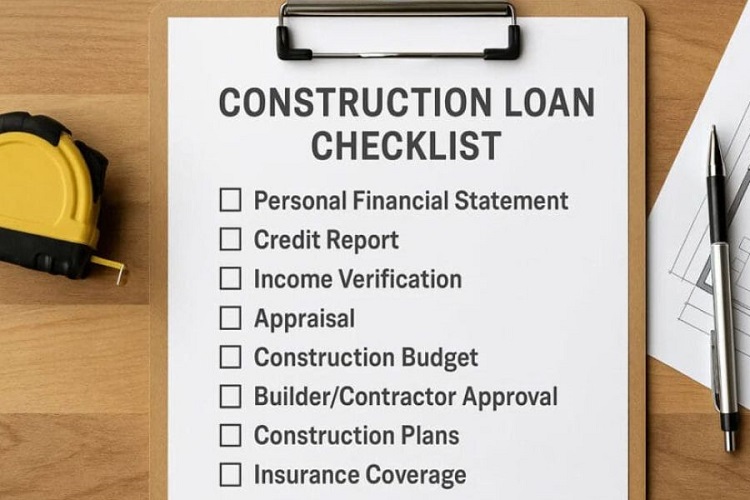
Home improvement projects often require a significant financial investment, especially when replacing a roof, installing new siding, remodeling a kitchen, or upgrading essential systems. While some homeowners pay in cash, many rely on contractor financing programs for homeowners to spread the cost over time without delaying necessary repairs or renovations.
Contractor financing has become a common solution in the residential construction industry. Many licensed contractors partner with banks, credit unions, and specialized financing companies to help homeowners secure funding directly during the project planning process. These programs can simplify financing, but they also vary widely in interest rates, repayment terms, eligibility requirements, and consumer protections.
This guide explains how contractor financing works, compares financing options, discusses costs, highlights potential risks, and offers practical advice to help homeowners make informed financial decisions.
What Are Contractor Financing Programs?
Contractor financing programs are financing arrangements offered through home improvement contractors in partnership with third-party lenders. Rather than lending money themselves, contractors typically connect homeowners with financing providers that evaluate creditworthiness and issue the loan.
The financing may be used for projects such as:
- Roof replacement
- Roof repair
- Siding installation
- Window replacement
- HVAC systems
- Solar installations
- Bathroom remodeling
- Kitchen renovations
- Foundation repairs
- Home insulation
- Water damage restoration
The contractor completes the work while the lender pays the contractor according to the financing agreement. The homeowner then repays the lender based on the agreed loan terms.
How Contractor Financing Works
The process is generally straightforward.
Step 1: Request an Estimate
A contractor evaluates the project and provides a written proposal that includes:
- Scope of work
- Materials
- Labor
- Estimated timeline
- Total project cost
Step 2: Financing Application
The homeowner completes a financing application through the contractor's financing partner.
Applications typically review:
- Credit history
- Income
- Debt obligations
- Identity verification
Some lenders perform a soft credit inquiry for prequalification, while others require a hard credit check before approval.
Step 3: Loan Approval
If approved, the lender issues financing based on:
- Approved loan amount
- Interest rate
- Repayment period
- Monthly payment
- Promotional offers (if applicable)
Step 4: Project Completion
The contractor completes the work according to the contract.
Depending on the lender, funds may be:
- Released upfront
- Paid in stages
- Paid after inspection
- Paid upon completion
Step 5: Loan Repayment
The homeowner begins making monthly payments according to the financing agreement.
Types of Contractor Financing Programs
| Financing Type | Best For | Typical Features |
|---|---|---|
| Unsecured Home Improvement Loan | Small to medium projects | No home collateral required |
| Secured Home Improvement Loan | Larger renovations | Lower rates may be available |
| Home Equity Loan | Major remodeling | Fixed payments using home equity |
| HELOC | Ongoing projects | Revolving line of credit |
| FHA Title I Loan | Qualified home improvements | Government-insured program through approved lenders |
| Credit Card Financing | Smaller repairs | Promotional periods may be available |
| Manufacturer Financing | Roofing, HVAC, windows | Often offered through certified installers |
Common Home Projects That Use Contractor Financing
Roofing
Roof replacement is one of the most frequently financed home improvement projects because it is often unexpected and costly.
Projects may include:
- Asphalt shingles
- Metal roofing
- Tile roofing
- Synthetic roofing
- Flat roof systems
Siding Replacement
New siding improves:
- Weather protection
- Energy efficiency
- Exterior appearance
- Property value
Popular siding materials include:
- Vinyl
- Fiber cement
- Engineered wood
- Metal
- Natural wood
HVAC Replacement
Heating and cooling systems can represent substantial investments, making financing attractive for many homeowners.
Energy Efficiency Upgrades
Energy improvements may include:
- Insulation
- High-efficiency windows
- Heat pumps
- Solar-ready roofing
- Air sealing
Some projects may also qualify for rebates or tax incentives through federal, state, or utility programs, depending on eligibility.
Advantages of Contractor Financing Programs
Many homeowners choose contractor financing because of its convenience.
Faster Project Start
Rather than arranging financing independently, homeowners can often apply during the estimate appointment.
Flexible Payment Options
Loan terms frequently range from several years depending on the lender and project.
Preserve Savings
Financing allows homeowners to maintain emergency savings instead of paying the full project cost upfront.
Emergency Repairs
Financing can help address urgent issues such as:
- Storm damage
- Roof leaks
- Structural repairs
- Water intrusion
Delaying these repairs may lead to additional damage and higher future costs.
Potential Disadvantages
Not every financing offer provides equal value.
Homeowners should carefully review:
- Interest rates
- Annual Percentage Rate (APR)
- Origination fees
- Closing costs
- Deferred interest clauses
- Prepayment penalties (if any)
- Late payment fees
Reading the complete financing agreement before signing is essential.
Cost Factors That Affect Financing Needs
Several variables influence the total amount a homeowner may need to finance.
Project Size
Larger homes require:
- More materials
- More labor
- Longer installation times
Material Selection
Premium materials generally increase project costs.
Examples include:
- Standing seam metal roofing
- Natural slate
- Cedar siding
- Fiber cement siding
Roof Complexity
Roofs with:
- Multiple valleys
- Dormers
- Skylights
- Steep slopes
typically require additional labor.
Regional Labor Costs
Construction costs vary by:
- Geographic region
- Local labor market
- Building demand
- Permit requirements
Financing Options Compared
| Option | Uses Home Equity | Credit Required | Typical Loan Size | Good For |
|---|---|---|---|---|
| Contractor Financing | Usually No | Yes | Small to Large | Quick approval |
| Home Equity Loan | Yes | Yes | Medium to Large | Large renovations |
| HELOC | Yes | Yes | Flexible | Multi-phase projects |
| Personal Loan | No | Yes | Small to Medium | Repairs |
| Cash Payment | No | No | Any | Avoiding interest |
Questions to Ask Before Accepting Contractor Financing
Homeowners should ask both the contractor and lender:
- Who is providing the financing?
- Is the contractor receiving compensation from the lender?
- What is the APR?
- Are promotional rates temporary?
- Are there application fees?
- Are there prepayment penalties?
- Is interest deferred?
- What happens if payments are missed?
- Can financing be canceled before work begins?
- How are warranty claims handled?
Contractor Financing vs. Home Equity Financing
Contractor Financing
Pros:
- Faster approval
- Convenient application
- No separate bank visit
- Often unsecured
Cons:
- Potentially higher interest rates
- Fewer lender choices
- Promotional offers may have conditions
Home Equity Loan
Pros:
- Often lower interest rates
- Larger borrowing capacity
- Predictable payments
Cons:
- Uses home as collateral
- Longer approval process
- Closing costs may apply
Choosing a Qualified Contractor
Financing should never be the only reason for selecting a contractor.
Homeowners should verify:
- State licensing where required
- General liability insurance
- Workers' compensation coverage where applicable
- Local references
- Written contracts
- Manufacturer certifications when relevant
- Warranty information
For roofing projects, contractors who follow industry best practices promoted by organizations such as the National Roofing Contractors Association (NRCA) may provide additional confidence regarding installation standards.
Understanding Warranties
Most home improvement projects involve two separate warranties.
Manufacturer Warranty
Typically covers defects in the product or material.
Examples include:
- Roofing shingles
- Siding panels
- Windows
- HVAC equipment
Workmanship Warranty
Provided by the contractor to cover installation quality.
Always request warranty documentation in writing.
Insurance Considerations
Some projects may involve homeowners insurance.
Examples include:
- Storm damage
- Wind damage
- Hail damage
- Fire damage
Insurance generally does not cover normal aging or deferred maintenance. Homeowners should review their individual policy and work with their insurer to understand coverage before authorizing repairs.
Maintenance Tips After Your Project
Protecting the investment helps maximize the value of financed improvements.
Roofing
- Inspect after major storms
- Keep gutters clean
- Remove debris
- Address damaged shingles promptly
Siding
- Wash according to manufacturer recommendations
- Inspect caulking annually
- Repair loose panels
- Watch for moisture intrusion
Windows
- Inspect seals
- Clean tracks
- Lubricate moving parts
- Replace damaged weatherstripping
Homeowner Maintenance Checklist
| Task | Recommended Frequency |
|---|---|
| Roof inspection | At least annually and after severe storms |
| Clean gutters | Multiple times per year as needed |
| Inspect siding | Annually |
| Check flashing | Annually |
| Review warranties | Keep documentation accessible |
| Inspect attic for leaks | During seasonal inspections |
Common Mistakes Homeowners Should Avoid
- Choosing financing based solely on the lowest monthly payment.
- Failing to compare financing offers from multiple lenders.
- Not reading the complete financing agreement.
- Hiring an unlicensed or uninsured contractor where licensing is required.
- Skipping written contracts.
- Ignoring warranty details.
- Delaying necessary repairs until damage worsens.
- Financing more than the project reasonably requires.
Helpful Resources for Homeowners
Several authoritative organizations provide reliable information on home improvement, financing, energy efficiency, and building safety:
- U.S. Department of Housing and Urban Development (HUD) — Homeownership resources and FHA-related guidance.
- Federal Housing Administration (FHA) — Information on FHA-insured home improvement loan programs offered through approved lenders.
- U.S. Department of Energy (DOE) — Energy-efficient home upgrades and available incentives.
- Environmental Protection Agency (EPA) — Indoor air quality, lead-safe renovation practices, and environmental guidance.
- ENERGY STAR — Certified energy-efficient products and home improvement recommendations.
- National Roofing Contractors Association (NRCA) — Roofing installation and maintenance best practices.
- International Code Council (ICC) — Information on model building codes adopted by many jurisdictions.
Frequently Asked Questions
Is contractor financing the same as a personal loan?
No. Contractor financing is typically arranged through a contractor's lending partner, while a personal loan is obtained directly from a bank, credit union, or online lender.
Does contractor financing require good credit?
Requirements vary by lender. Some programs are designed for borrowers with strong credit, while others may offer options for a broader range of credit profiles, often with different terms or interest rates.
Can I pay off contractor financing early?
Many lenders allow early repayment, but homeowners should confirm whether any prepayment penalties or restrictions apply before signing the loan agreement.
Is contractor financing available for emergency roof replacement?
Yes. Many roofing contractors offer financing options for urgent repairs or full roof replacements, subject to lender approval.
Should I compare financing offers before signing?
Absolutely. Comparing multiple lenders can help homeowners evaluate interest rates, fees, repayment terms, and overall borrowing costs before committing.
Final Thoughts
Contractor financing programs for homeowners can make essential repairs and valuable home upgrades more accessible by spreading costs over time. Whether you're replacing a damaged roof, installing new siding, improving energy efficiency, or renovating key living spaces, financing can help move a project forward without requiring a large upfront payment.
However, financing should be evaluated with the same care as the construction project itself. Compare loan offers, understand the total cost of borrowing, verify contractor credentials, review warranties, and consult trusted resources when needed. Taking the time to make informed decisions can help ensure that both your home improvement project and your financing solution support your long-term financial and property goals.