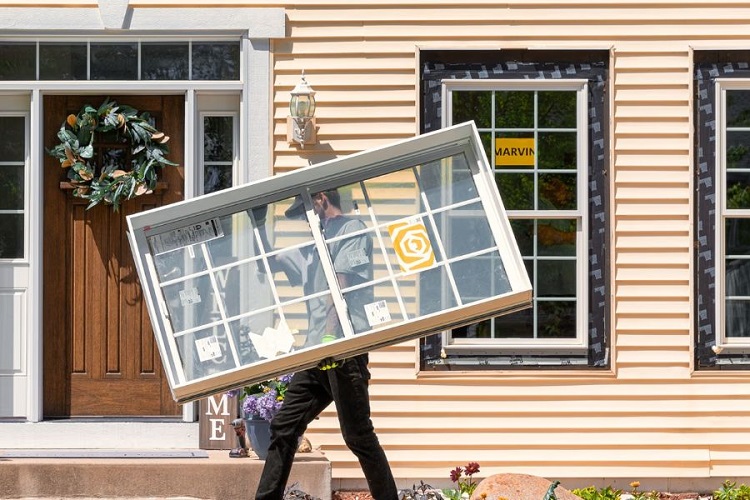
Replacing old windows is one of the most effective home improvement projects for improving comfort, energy efficiency, curb appeal, and long-term property value. Whether you're renovating an older home, preparing a property for sale, or upgrading to modern energy-efficient windows, understanding the window replacement cost per window installed helps you plan your budget and avoid unexpected expenses.
The final price isn't determined by the window alone. Labor costs, frame material, glass technology, window size, accessibility, and regional labor rates all influence the total investment. While premium windows typically cost more upfront, they may reduce heating and cooling expenses over time, especially when paired with professional installation and ENERGY STAR® certified products.
This guide explains everything homeowners should know—from pricing and installation to financing, maintenance, warranties, and contractor selection.
What Is Window Replacement?
Window replacement involves removing an existing window and installing a new one. Depending on the condition of the surrounding frame, contractors typically perform one of two installation methods:
- Insert (Pocket) Replacement
- Replaces only the window sash and operating components.
- Existing frame remains.
- Faster and usually less expensive.
- Full-Frame Replacement
- Removes the entire existing window, including frame.
- Allows repair of hidden water damage or rot.
- Ideal for older homes or damaged frames.
Choosing the right installation method significantly affects total project cost.
Average Window Replacement Cost Per Window Installed
The total installed cost generally includes:
- Window unit
- Labor
- Removal of old window
- Installation materials
- Insulation
- Exterior and interior sealing
- Basic cleanup
Typical Installed Cost by Window Type
| Window Type | Typical Installed Cost |
|---|---|
| Single-Hung | $300–$800 |
| Double-Hung | $400–$1,000 |
| Sliding | $400–$1,200 |
| Casement | $500–$1,500 |
| Awning | $500–$1,300 |
| Picture Window | $700–$2,000 |
| Bay Window | $2,000–$5,000+ |
| Bow Window | $3,000–$8,000+ |
| Garden Window | $1,000–$4,000 |
| Custom Specialty Window | $1,000–$5,000+ |
Actual prices vary depending on location, manufacturer, glazing options, and installation complexity.
What Affects Window Replacement Cost?
Several factors influence the final installed price.
1. Window Material
Frame material has one of the biggest impacts on cost.
| Material | Cost Level | Durability | Maintenance |
|---|---|---|---|
| Vinyl | Low | Good | Very Low |
| Aluminum | Moderate | Good | Low |
| Fiberglass | Moderate-High | Excellent | Very Low |
| Composite | High | Excellent | Low |
| Wood | High | Excellent | High |
Vinyl remains the most popular option because it offers good insulation with relatively low maintenance.
2. Glass Package
Modern windows often include advanced glass technology such as:
- Double-pane glass
- Triple-pane glass
- Low-E coatings
- Argon gas fill
- Krypton gas fill
- Laminated safety glass
- Tempered glass
Higher-performance glazing increases upfront cost but may improve indoor comfort and reduce energy loss.
3. Window Size
Larger windows require:
- More materials
- Larger glass panels
- Additional structural support
- Longer installation time
Oversized picture, bay, and custom windows generally cost considerably more than standard openings.
4. Accessibility
Installation becomes more complex when windows are:
- On upper floors
- Difficult to reach
- Located behind landscaping
- Installed in masonry walls
- Part of historic homes
Additional equipment and labor increase project costs.
5. Structural Repairs
Sometimes contractors discover:
- Wood rot
- Water intrusion
- Mold damage
- Damaged sheathing
- Improper flashing
Necessary repairs add to the overall project budget but help prevent future problems.
Window Replacement Cost Breakdown
| Cost Component | Percentage of Total Project |
|---|---|
| Window Product | 40–60% |
| Labor | 30–45% |
| Trim & Flashing | 5–10% |
| Disposal | 2–5% |
| Miscellaneous Materials | 3–8% |
Labor costs vary widely based on local markets and installation complexity.
Full-Frame vs Insert Replacement
| Feature | Insert Replacement | Full-Frame Replacement |
|---|---|---|
| Lower Cost | ✔ | |
| Faster Installation | ✔ | |
| Retains Existing Frame | ✔ | |
| Corrects Structural Issues | ✔ | |
| Better for Damaged Frames | ✔ | |
| Greater Design Flexibility | ✔ |
A qualified contractor can determine which method is appropriate after inspecting the existing window opening.
Signs It's Time to Replace Windows
Homeowners should consider replacement if they notice:
- Drafts around frames
- Condensation between glass panes
- Difficulty opening or closing windows
- Water leaks
- Rotting wood frames
- Higher energy bills
- Exterior deterioration
- Broken seals
- Excessive outside noise
Ignoring these issues may lead to moisture damage and reduced energy efficiency.
Installation Process
Professional installation typically follows these steps:
- Home measurement
- Window ordering
- Site preparation
- Removal of old window
- Inspection of framing
- Repairs if needed
- Installation of new window
- Insulation around frame
- Flashing and weather sealing
- Interior and exterior trim
- Operational testing
- Cleanup
Proper flashing and sealing are essential to prevent future water intrusion.
Energy Efficiency Considerations
Modern replacement windows can improve thermal performance when selected appropriately.
Look for features such as:
- ENERGY STAR certification
- Low-E coatings
- Double or triple glazing
- Warm-edge spacers
- Quality weatherstripping
- Insulated frames
The U.S. Department of Energy recommends selecting windows appropriate for your climate zone to maximize efficiency.
Window Frame Material Comparison
| Material | Energy Efficiency | Lifespan | Maintenance |
|---|---|---|---|
| Vinyl | Good | Long | Low |
| Fiberglass | Excellent | Very Long | Very Low |
| Wood | Excellent | Long | High |
| Composite | Excellent | Very Long | Low |
| Aluminum | Moderate | Long | Low |
Climate, architectural style, and budget should all influence material selection.
Financing Window Replacement
Replacing multiple windows can represent a significant investment.
Common financing options include:
Home Equity Loan
Suitable for larger remodeling projects with predictable repayment.
Home Equity Line of Credit (HELOC)
Offers flexible borrowing for phased renovations.
FHA Title I Property Improvement Loan
Eligible homeowners may qualify for financing under programs backed by the Federal Housing Administration for certain home improvements.
Contractor Financing
Many window companies partner with lenders to offer installment financing, subject to credit approval and available terms.
Always compare:
- Interest rates
- Loan terms
- Closing costs
- Fees
- Early repayment policies
Insurance Considerations
Homeowners insurance may help cover replacement when windows are damaged by covered events such as:
- Windstorms
- Hail
- Fire
- Falling trees
- Certain accidental impacts
Normal aging, wear, seal failure, or deferred maintenance generally are not covered. Review your policy or speak with your insurance provider before filing a claim.
Maintenance Tips
Proper maintenance extends window life.
Annual Maintenance Checklist
- Inspect caulking
- Clean drainage channels
- Wash glass
- Lubricate hardware
- Inspect weatherstripping
- Check for water leaks
- Verify locks operate correctly
- Examine exterior trim
- Remove debris from tracks
- Inspect flashing
Routine maintenance can help preserve manufacturer warranty coverage.
Understanding Window Warranties
Warranty coverage varies by manufacturer.
Common warranty categories include:
| Warranty Type | Typical Coverage |
|---|---|
| Glass Seal | Insulated glass failure |
| Frame | Structural defects |
| Hardware | Locks, balances, hinges |
| Installation | Contractor workmanship |
Before signing a contract, ask whether labor, glass breakage, or transferable ownership are included.
Choosing a Window Contractor
A quality installation is just as important as the window itself.
Look for contractors who:
- Carry appropriate licensing where required
- Maintain liability insurance
- Offer written estimates
- Explain installation methods
- Provide workmanship warranties
- Supply manufacturer documentation
- Have positive customer reviews
- Communicate realistic timelines
Obtaining multiple written estimates allows homeowners to compare scope—not just price.
Common Mistakes Homeowners Make
Avoid these frequent errors:
- Choosing based solely on lowest price
- Ignoring installation quality
- Selecting the wrong frame material
- Skipping energy-efficiency options
- Failing to compare warranties
- Replacing only visibly damaged windows when multiple units have failed
- Not verifying contractor credentials
- Overlooking flashing and moisture protection
Is Window Replacement Worth the Cost?
For many homeowners, replacement windows offer benefits beyond appearance.
Potential advantages include:
- Improved indoor comfort
- Reduced drafts
- Better energy efficiency
- Lower exterior noise
- Increased curb appeal
- Easier operation
- Reduced maintenance
- Potential increase in resale appeal
The actual financial return depends on local real estate conditions, window quality, installation quality, and the condition of the existing windows.
Frequently Asked Questions
How much does window replacement cost per window installed?
Installed costs commonly range from about $300 to more than $2,000 per window, depending on window style, materials, glass package, installation method, and local labor rates. Specialty windows such as bay or bow windows typically cost substantially more.
Is full-frame replacement worth the extra cost?
Full-frame replacement is often worthwhile when the existing frame has rot, water damage, structural issues, or when homeowners want to change window size or style.
How long does window installation take?
Most standard replacement windows can be installed in a few hours each, although larger or more complex projects may take longer. Entire-home replacements are often completed over one or several days depending on project size.
Do energy-efficient windows really save money?
Energy-efficient windows can help reduce heating and cooling demands by limiting unwanted heat transfer. Actual savings depend on climate, home insulation, HVAC efficiency, and the condition of the windows being replaced.
Should all windows be replaced at once?
Not necessarily. Replacing all windows together can provide a consistent appearance and may reduce overall labor costs per unit, but many homeowners prioritize the most deteriorated windows first when working within a budget.
Final Thoughts
Understanding the window replacement cost per window installed involves more than comparing product prices. Installation quality, frame material, glazing technology, labor, accessibility, and long-term durability all contribute to the total investment and the overall performance of your home.
For the best results, compare multiple detailed estimates, verify contractor credentials, review warranty terms carefully, and choose windows that match your local climate and efficiency goals. A well-planned replacement project can improve comfort, reduce maintenance needs, and enhance the long-term value of your property.