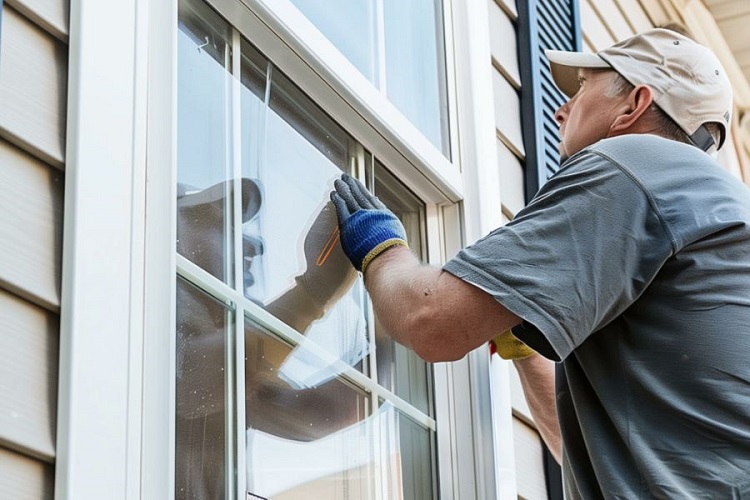
Replacing every window in a home is one of the most significant improvement projects a homeowner can undertake. New windows can improve energy efficiency, increase comfort, enhance curb appeal, reduce outside noise, and potentially increase property value. However, because a whole house window replacement often represents a major investment, many homeowners explore financing options instead of paying the entire cost upfront.
Understanding how whole house window replacement financing works can help you compare loan products, avoid unnecessary fees, and choose a payment solution that fits your financial goals. Whether you're replacing aging single-pane windows, upgrading to ENERGY STAR® certified models, or renovating an investment property, financing can make the project more manageable while preserving your savings.
This guide explains financing options, costs, qualification requirements, and best practices so you can make an informed decision before signing a contract.
What Is Whole House Window Replacement Financing?
Whole house window replacement financing refers to any financing method used to spread the cost of replacing every window in a home over time instead of paying one lump sum.
Depending on your financial situation, financing may come from:
- Home improvement loans
- Home equity loans
- Home Equity Lines of Credit (HELOC)
- Cash-out refinancing
- FHA Title I loans
- Contractor financing programs
- Credit cards with promotional financing
- Personal loans
The best option depends on factors such as:
- Home equity
- Credit score
- Household income
- Project cost
- Desired repayment period
- Current mortgage interest rate
Why Homeowners Finance Window Replacement
Many homeowners finance window replacement because it allows them to complete needed upgrades without delaying the project for years.
Common reasons include:
- Improving energy efficiency
- Replacing damaged or unsafe windows
- Preparing a home for sale
- Reducing heating and cooling costs
- Eliminating drafts and air leaks
- Increasing home comfort
- Modernizing older properties
- Meeting insurance or lender repair requirements
For many households, financing also helps preserve emergency savings while allowing immediate installation.
Average Cost of Whole House Window Replacement
The total cost varies considerably depending on:
- Number of windows
- Window size
- Frame material
- Glass package
- Installation complexity
- Geographic location
- Structural repairs
- Permit requirements (where applicable)
Major Cost Factors
| Cost Factor | Impact on Price |
|---|---|
| Number of windows | Higher quantity increases total cost |
| Vinyl vs. wood vs. fiberglass | Material selection significantly affects pricing |
| Double-pane or triple-pane glass | Higher efficiency generally costs more |
| Custom window sizes | More expensive than standard dimensions |
| Historic homes | May require specialized installation |
| Labor rates | Vary by region |
| Interior and exterior trim work | Adds labor and material costs |
| Disposal of old windows | May involve additional fees |
Rather than focusing solely on the lowest bid, homeowners should compare the complete project scope, warranty coverage, installation methods, and product quality.
Types of Window Replacement Financing
Personal Home Improvement Loan
A personal loan is one of the fastest financing methods because it typically does not require home equity.
Advantages include:
- Fixed monthly payments
- Predictable repayment schedule
- No collateral required
- Quick approval for qualified borrowers
Potential drawbacks include:
- Higher interest rates than secured loans
- Loan limits based on borrower qualifications
Home Equity Loan
A home equity loan lets homeowners borrow against accumulated home equity.
Benefits include:
- Fixed interest rate
- Fixed repayment term
- Often lower rates than unsecured loans
Considerations include:
- Home serves as collateral
- Closing costs may apply
- Sufficient equity is required
Home Equity Line of Credit (HELOC)
A HELOC provides a revolving credit line secured by home equity.
Advantages include:
- Flexible borrowing
- Borrow only what is needed
- Useful for phased remodeling projects
Potential disadvantages include:
- Variable interest rates
- Monthly payments may change over time
Cash-Out Refinance
Homeowners refinance their existing mortgage and borrow additional funds for renovations.
This option may be appropriate when:
- Mortgage rates are favorable
- Significant home equity exists
- Multiple renovation projects are planned
However, refinancing replaces the existing mortgage, making it important to compare long-term costs carefully.
FHA Title I Home Improvement Loan
The Federal Housing Administration (FHA) insures Title I loans that may be used for qualifying home improvements, including certain window replacement projects.
These loans are designed to help homeowners finance improvements even if they have limited home equity. Eligibility requirements, loan limits, and lender participation vary.
Learn more through the U.S. Department of Housing and Urban Development (HUD).
Contractor Financing
Many window companies partner with financial institutions to offer financing directly during the sales process.
These programs may include:
- Fixed monthly payments
- Promotional interest offers
- Deferred payment options
- Multiple repayment terms
Before accepting contractor financing, compare it with offers from banks and credit unions.
Credit Cards
Credit cards may be suitable for smaller projects, especially when promotional 0% introductory APR offers are available.
However, homeowners should understand:
- Promotional periods eventually expire
- Standard interest rates can be significantly higher
- Large balances may affect credit utilization
Comparing Financing Options
| Financing Type | Home Equity Required | Fixed Payments | Typical Best Use |
|---|---|---|---|
| Personal Loan | No | Usually | Medium-sized projects |
| Home Equity Loan | Yes | Yes | Large renovations |
| HELOC | Yes | Often variable | Flexible remodeling |
| Cash-Out Refinance | Yes | Yes | Major renovations |
| FHA Title I Loan | Not always | Yes | Qualified home improvements |
| Contractor Financing | Usually no | Varies | Convenient application process |
| Credit Card | No | Varies | Small projects with promotional financing |
How to Qualify for Financing
Lenders typically evaluate several financial factors before approving a loan.
Common qualification criteria include:
- Credit history
- Credit score
- Debt-to-income ratio
- Employment history
- Household income
- Home equity (for secured loans)
- Property value
- Existing mortgage obligations
Each lender establishes its own underwriting standards.
ENERGY STAR Windows and Long-Term Savings
Choosing ENERGY STAR certified replacement windows may reduce heating and cooling energy use compared to older, less efficient windows in appropriate climate zones.
ENERGY STAR recommends selecting products certified for your local climate to maximize performance.
Potential benefits include:
- Improved insulation
- Better indoor comfort
- Reduced drafts
- Lower HVAC workload
- UV protection for interior furnishings
Actual energy savings vary depending on:
- Climate
- Existing windows
- Home insulation
- HVAC system
- Occupant behavior
Federal, State, and Utility Incentives
Depending on where you live, financial incentives may help offset project costs.
Possible incentives include:
- Utility rebates
- State energy-efficiency programs
- Federal tax incentives (when available)
- Local energy grants
- Weatherization assistance for qualifying households
Availability changes over time, so homeowners should verify current programs before beginning a project.
Useful resources include:
- U.S. Department of Energy (DOE)
- ENERGY STAR
- Local utility providers
- State energy offices
The Window Replacement Process
1. Home Evaluation
A contractor measures every opening, evaluates existing frames, and identifies any structural concerns.
2. Product Selection
Choose:
- Frame material
- Glass package
- Hardware
- Color
- Grille options
- Energy performance features
3. Financing Approval
If financing is needed, loan approval generally occurs before materials are ordered.
4. Manufacturing
Custom windows are manufactured according to project specifications.
5. Installation
Installers remove old windows, prepare openings, install new units, insulate gaps, and seal against weather intrusion.
6. Final Inspection
The contractor verifies proper operation, weather sealing, and finish quality before project completion.
Maintenance Tips After Installation
Proper maintenance helps maximize window lifespan.
Annual Maintenance Checklist
- Inspect exterior caulking
- Clean window tracks
- Lubricate moving hardware
- Check weatherstripping
- Wash glass with appropriate cleaners
- Inspect for moisture intrusion
- Verify smooth operation
- Remove debris from drainage channels
Routine inspections can identify minor issues before they become expensive repairs.
Understanding Window Warranties
Window warranties vary considerably among manufacturers.
Coverage may include:
- Glass seal failure
- Frame defects
- Hardware
- Manufacturing defects
- Finish durability
Installation labor warranties are often separate from manufacturer warranties.
Before purchasing, ask for written documentation explaining:
- Coverage period
- Transferability
- Exclusions
- Claim procedures
Insurance Considerations
Homeowners insurance generally does not cover replacement of aging windows due to normal wear and tear.
Insurance may provide coverage when windows are damaged by a covered peril such as:
- Windstorms
- Hail
- Fire
- Certain falling objects
- Vandalism (subject to policy terms)
Review your policy and speak with your insurance provider to understand applicable coverage and deductibles.
Choosing the Right Window Contractor
Selecting a qualified contractor is just as important as choosing the right financing.
Look for contractors who:
- Carry appropriate licensing where required
- Maintain liability insurance
- Employ trained installers
- Provide written estimates
- Offer clear warranty documentation
- Have positive customer reviews
- Explain installation procedures
- Answer questions without high-pressure sales tactics
Obtain multiple written estimates before making a decision.
Common Financing Mistakes to Avoid
Many homeowners can save money by avoiding these common mistakes:
- Choosing financing based solely on monthly payment
- Ignoring total interest costs
- Accepting the first financing offer without comparison
- Overlooking loan fees
- Failing to read promotional financing terms
- Not reviewing warranty details
- Financing unnecessary upgrades beyond the budget
- Hiring contractors without verifying credentials
Whole House Window Replacement Financing vs. Paying Cash
| Financing | Paying Cash |
|---|---|
| Preserves savings | No loan payments |
| Allows immediate installation | No interest costs |
| Improves cash flow flexibility | Simpler transaction |
| May include promotional financing | No lender approval required |
| Total cost may include interest | Requires significant available funds |
Neither approach is universally better. The right choice depends on your financial priorities, emergency savings, available equity, and long-term budget.
Frequently Asked Questions
Is financing available for replacing every window in a house?
Yes. Many banks, credit unions, mortgage lenders, and window contractors offer financing solutions for full-home window replacement projects, subject to qualification.
Can I finance ENERGY STAR certified windows?
Yes. ENERGY STAR certified windows can generally be financed using the same loan products available for other qualifying window replacement projects.
Does replacing windows increase home value?
Modern replacement windows may improve curb appeal, energy efficiency, and buyer appeal. However, the exact impact on property value varies by market conditions, home condition, and buyer preferences.
Should I use contractor financing or a bank loan?
It depends on the interest rate, fees, repayment terms, and overall loan cost. Comparing multiple financing offers before signing an agreement is generally recommended.
Are replacement windows tax deductible?
Window replacement costs are generally not tax deductible as a standard home improvement. However, certain energy-efficient improvements may qualify for available federal tax credits or other incentives if eligibility requirements are met. Consult current IRS guidance or a qualified tax professional for the latest rules.
Conclusion
Whole house window replacement financing allows homeowners to upgrade aging windows while spreading costs over time through manageable payments. With options ranging from personal loans and home equity financing to FHA Title I loans and contractor financing programs, there is no one-size-fits-all solution.
Before committing to financing, compare multiple lenders, review the total borrowing cost—not just the monthly payment—and evaluate warranty coverage, contractor qualifications, and product quality. Selecting energy-efficient windows certified by ENERGY STAR, understanding available federal or local incentive programs, and following proper maintenance practices can further improve the long-term value of your investment.
A well-planned window replacement project is more than an aesthetic upgrade—it is a long-term improvement that can enhance comfort, durability, and overall home performance when completed with quality products, skilled installation, and responsible financing.