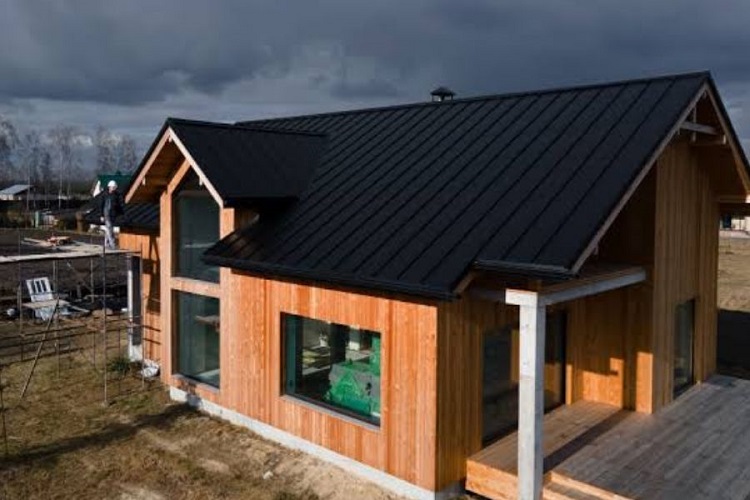
Replacing the roof on a 4,000 square foot house is one of the largest home improvement investments most homeowners will ever make. While many people assume the roof size matches the home's floor area, that's rarely the case. Roof complexity, pitch, overhangs, dormers, valleys, and the number of stories all influence the actual roofing surface that must be covered.
For a home of this size, roof replacement costs can vary significantly depending on roofing material, labor rates, structural conditions, geographic location, and whether old roofing materials must be removed. Understanding these variables helps homeowners create realistic budgets, compare contractor estimates, and choose materials that deliver the best long-term value.
This guide explains how roofing professionals estimate replacement costs, what affects pricing, available financing options, maintenance considerations, insurance factors, and practical tips for hiring a qualified contractor.
Understanding Roof Replacement Costs for a 4,000 Square Foot House
One of the biggest misconceptions is that a 4,000 square foot home automatically has a 4,000 square foot roof.
In reality, roof size is typically larger because of:
- Roof pitch
- Roof overhangs
- Multiple roof sections
- Dormers
- Gables
- Hips
- Architectural features
A roofing contractor usually measures the roof surface rather than the home's living space.
Typical Roof Size Examples
| Home Size | Estimated Roof Area |
|---|---|
| 4,000 sq ft single-story | 4,400–5,000+ sq ft |
| 4,000 sq ft two-story | 2,500–3,500+ sq ft |
| Complex luxury home | Can exceed 5,500 sq ft |
The actual roof measurement is the foundation of every roofing estimate.
Average Cost to Replace Roof on a 4,000 Square Foot House
Because roofing materials and labor vary by region, costs differ substantially across the United States.
Estimated Total Cost by Roofing Material
| Roofing Material | Estimated Cost Range |
|---|---|
| Asphalt shingles | $18,000–$40,000+ |
| Architectural shingles | $24,000–$50,000+ |
| Metal roofing | $40,000–$80,000+ |
| Standing seam metal | $55,000–$95,000+ |
| Cedar shake | $45,000–$90,000+ |
| Synthetic slate | $55,000–$100,000+ |
| Natural slate | $80,000–$180,000+ |
| Clay tile | $70,000–$150,000+ |
| Concrete tile | $55,000–$120,000+ |
Actual project costs depend on roof size, local labor rates, and site conditions.
Major Factors That Affect Roof Replacement Cost
No two roofs cost exactly the same.
Roof Size
Larger roofs require:
- More shingles
- More underlayment
- Additional flashing
- More fasteners
- Longer installation time
Material quantity is the largest cost driver.
Roof Pitch
Steeper roofs are:
- Harder to access
- More dangerous
- Slower to install
- More labor-intensive
Steep roofs generally increase labor costs.
Roof Complexity
Features increasing labor include:
- Multiple valleys
- Skylights
- Chimneys
- Solar panel mounts
- Roof vents
- Dormers
- Multiple ridges
Complex roof designs require additional cutting, flashing, and waterproofing.
Existing Roof Removal
Old roofing often must be removed before installing new materials.
Removal costs depend on:
- Number of existing layers
- Roofing material
- Dumpster requirements
- Disposal fees
Homes with multiple layers typically require more labor.
Structural Repairs
During tear-off, contractors may discover:
- Rotten decking
- Water damage
- Mold
- Damaged rafters
- Insect damage
Necessary repairs increase the total project cost.
Geographic Location
Regional pricing differences are influenced by:
- Labor markets
- Material transportation
- Building demand
- Weather conditions
- Local permit requirements
Urban areas often have higher labor costs than rural regions.
Cost Breakdown of a Roof Replacement Project
A roof replacement involves much more than installing shingles.
| Expense | Included |
|---|---|
| Roofing materials | Shingles, metal, tile, slate, etc. |
| Underlayment | Moisture barrier |
| Ice and water protection | Vulnerable roof areas |
| Flashing | Around penetrations and transitions |
| Ventilation components | Ridge vents, intake vents |
| Fasteners | Nails, screws, clips |
| Tear-off labor | Removing existing roof |
| Installation labor | Roof construction |
| Debris disposal | Dumpsters and landfill fees |
| Permits | Local jurisdiction requirements |
| Cleanup | Final site cleaning |
A detailed written estimate should itemize these categories.
Comparing Popular Roofing Materials
Asphalt Shingles
Advantages
- Lower initial cost
- Widely available
- Easier repairs
- Many style options
Disadvantages
- Shorter lifespan than premium materials
- May require replacement sooner in harsh climates
Best for:
- Budget-conscious homeowners
- Investment properties
- Standard suburban homes
Metal Roofing
Advantages
- Long service life
- Excellent weather resistance
- Lightweight
- Fire resistant
- Low maintenance
Disadvantages
- Higher upfront investment
- Specialized installation required
Best for:
- Long-term homeowners
- Energy-conscious buyers
- Severe weather regions
Clay and Concrete Tile
Advantages
- Exceptional durability
- Distinctive appearance
- Fire resistance
Disadvantages
- Heavy
- May require structural reinforcement
- Higher installation costs
Best for:
- Mediterranean architecture
- Southwestern climates
Slate Roofing
Advantages
- Extremely long lifespan
- Premium appearance
- Excellent durability
Disadvantages
- Very expensive
- Heavy
- Specialized installation
Best for:
- Historic homes
- Luxury residences
Roofing Installation Process
Professional roof replacement generally follows these steps:
- Inspection
- Written estimate
- Material selection
- Permit acquisition
- Delivery of materials
- Tear-off of old roofing
- Deck inspection
- Structural repairs if needed
- Underlayment installation
- Flashing installation
- Roofing material installation
- Ridge ventilation installation
- Cleanup
- Final inspection
Professional installation is essential for manufacturer warranty compliance.
Should You Replace or Repair?
Sometimes a complete replacement isn't necessary.
Repair May Be Appropriate When
- Damage is isolated
- Roof is relatively new
- Storm damage affects a small area
- Flashing requires replacement
Replacement Makes More Sense When
- Roof has reached expected service life
- Multiple leaks exist
- Widespread shingle deterioration
- Extensive decking damage
- Numerous previous repairs
A professional inspection can help determine the most cost-effective option.
Financing a Roof Replacement
Roof replacement can represent a substantial financial commitment. Homeowners commonly consider several financing methods depending on eligibility, equity, and lender requirements.
Home Equity Financing
Homeowners with sufficient equity may qualify for:
- Home equity loans
- Home equity lines of credit (HELOCs)
These options often provide lower interest rates than unsecured borrowing, but the home serves as collateral.
Personal Loans
Unsecured home improvement loans may offer:
- Fast approval
- Fixed monthly payments
- No home equity requirement
Interest rates vary according to credit qualifications.
Contractor Financing
Many roofing companies partner with financing providers.
Before accepting contractor financing, compare:
- Interest rates
- Promotional periods
- Loan fees
- Repayment terms
Government-Backed Programs
Some homeowners may qualify for improvement financing through programs supported by the Federal Housing Administration (FHA) or housing assistance initiatives administered by the U.S. Department of Housing and Urban Development (HUD), depending on property eligibility and program requirements.
Always review current program guidelines before applying.
Insurance Considerations
Homeowners insurance may help cover roof replacement when damage results from a covered peril, such as certain wind or hail events, subject to the policy's terms, exclusions, deductibles, and depreciation provisions.
Insurance generally does not cover normal wear and aging.
After severe weather:
- Document visible damage
- Take photographs
- Prevent additional water intrusion if safe
- Contact your insurance company promptly
- Arrange a professional roof inspection
Do not authorize permanent repairs before understanding your insurer's claim process unless emergency work is necessary to prevent further damage.
Maintenance Tips to Extend Roof Life
Routine maintenance can help maximize roof performance.
Annual Maintenance Checklist
- Inspect shingles for damage
- Clean gutters
- Remove debris
- Check flashing
- Examine attic ventilation
- Look for signs of leaks
- Trim overhanging tree branches
- Check chimney flashing
- Inspect ridge vents
- Schedule periodic professional inspections
Preventive maintenance often costs far less than major repairs.
Choosing the Right Roofing Contractor
Hiring a reputable contractor is just as important as choosing quality materials.
Look for Contractors Who
- Hold required state or local licenses where applicable
- Carry liability insurance
- Carry workers' compensation insurance where required
- Provide written contracts
- Offer detailed estimates
- Explain warranty coverage
- Have positive customer references
- Communicate clearly
Questions to Ask
- How long have you been installing this roofing system?
- Will you replace flashing?
- Will damaged decking be documented?
- What warranties are included?
- Who supervises the project?
- How is debris managed?
- How long will installation take?
Avoid selecting a contractor based solely on the lowest bid. Scope of work, materials, experience, and warranty terms all affect overall value.
Common Mistakes Homeowners Make
Avoid these costly errors:
- Choosing the cheapest estimate without comparing scope
- Ignoring attic ventilation
- Delaying leak repairs
- Installing new roofing over damaged decking
- Failing to verify insurance coverage
- Overlooking manufacturer installation requirements
- Not obtaining multiple written estimates
- Neglecting routine maintenance after installation
Long-Term Value of Roof Replacement
A new roof may provide benefits beyond addressing leaks. Depending on the material selected and installation quality, it can:
- Improve weather protection
- Enhance curb appeal
- Support resale marketability
- Reduce future maintenance needs
- Improve compatibility with modern ventilation systems
- Increase buyer confidence during home sales
Some roofing products also qualify for energy-efficiency programs or certifications, such as those recognized by ENERGY STAR, when applicable.
Frequently Asked Questions
How long does it take to replace the roof on a 4,000 square foot house?
Many residential roof replacements can be completed within several days, although larger or more complex roofs, weather delays, structural repairs, and specialty materials may extend the timeline.
Is metal roofing worth the higher upfront cost?
Metal roofing generally costs more initially but may offer a longer service life, lower maintenance needs, and enhanced durability compared with many conventional roofing systems. The overall value depends on the homeowner's budget, expected length of ownership, and local climate.
Can a new roof increase home value?
A new roof may improve buyer confidence and curb appeal and can reduce concerns about near-term maintenance. The effect on resale value varies with market conditions, roof condition before replacement, and the quality of the new installation.
Should I replace gutters when replacing the roof?
Not always. If gutters remain structurally sound and properly sized, replacement may not be necessary. However, many homeowners choose to evaluate or upgrade gutters during roofing projects because access is already available.
How many estimates should homeowners obtain?
Obtaining at least three detailed written estimates is a common best practice. Comparing scope of work, materials, warranty terms, and contractor qualifications provides a better basis for decision-making than comparing price alone.
Conclusion
The cost to replace the roof on a 4,000 square foot house depends on far more than the home's floor area. Accurate pricing requires measuring the actual roof surface and evaluating factors such as roof complexity, material selection, labor requirements, structural condition, and local market conditions. While asphalt shingles often provide the lowest initial investment, premium materials like metal, tile, and slate may offer longer service lives and different maintenance profiles.
Before committing to a project, obtain multiple written estimates, verify contractor credentials, review warranty coverage carefully, and explore financing options if needed. Following recognized guidance from organizations such as the National Roofing Contractors Association (NRCA), the International Code Council (ICC), the U.S. Department of Energy (DOE), the Environmental Protection Agency (EPA), and ENERGY STAR can also help homeowners make informed decisions that balance cost, durability, energy performance, and long-term value.