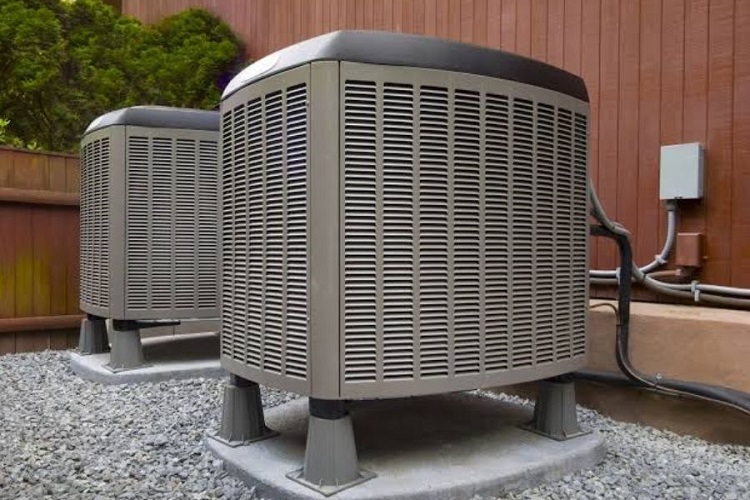
Replacing a home's HVAC system is one of the largest investments many homeowners make after replacing a roof or remodeling a kitchen. While a new heating and cooling system can improve indoor comfort, lower energy bills, and increase property value, understanding the total cost—and how to pay for it—is equally important.
HVAC replacement costs vary significantly depending on system type, home size, installation complexity, energy efficiency ratings, ductwork condition, labor rates, and local market conditions. Fortunately, homeowners today have access to multiple financing solutions, ranging from manufacturer promotions and contractor financing to home equity loans and government-backed energy efficiency programs.
This guide explains everything homeowners should know about HVAC replacement costs, financing options, installation considerations, maintenance requirements, and ways to maximize long-term value.
What Is an HVAC Replacement?
HVAC stands for Heating, Ventilation, and Air Conditioning. A complete HVAC replacement involves removing an existing system and installing a new one that properly heats and cools the home.
A replacement may include:
- Air conditioner
- Furnace
- Heat pump
- Air handler
- Thermostat
- Refrigerant lines
- Indoor evaporator coil
- Outdoor condenser
- Electrical upgrades
- Condensate drainage components
Depending on the home's condition, contractors may also recommend replacing ductwork, upgrading insulation, or improving ventilation to maximize efficiency.
Signs It's Time to Replace Your HVAC System
Many HVAC systems continue operating for years, but performance gradually declines.
Common signs include:
- Frequent repairs
- Rising utility bills
- Uneven temperatures between rooms
- Excessive indoor humidity
- Loud or unusual noises
- Poor airflow
- Refrigerant leaks
- Rust or corrosion
- Difficulty maintaining thermostat settings
- Equipment approaching the end of its expected service life
According to the U.S. Department of Energy, upgrading older equipment with modern high-efficiency systems can significantly reduce household energy consumption.
Average HVAC Replacement Cost
Total replacement costs vary based on equipment, labor, and project complexity.
| HVAC System | Typical Cost Range (Installed) |
|---|---|
| Central air conditioner | Approximately $4,000–$9,000+ |
| Gas furnace | Approximately $4,000–$8,500+ |
| Heat pump | Approximately $6,000–$15,000+ |
| Ductless mini-split | Approximately $3,000–$10,000+ depending on zones |
| Complete HVAC system | Approximately $8,000–$18,000+ |
Actual pricing depends on:
- Home location
- Equipment brand
- System capacity
- Efficiency rating
- Existing infrastructure
- Labor costs
- Permit requirements
- Additional upgrades
Older homes often require electrical or duct modifications that increase project costs.
Cost Breakdown
| Cost Component | Typical Impact |
|---|---|
| Equipment | Largest expense |
| Installation labor | Significant |
| Permits | Varies by municipality |
| Duct modifications | Moderate to high |
| Thermostat upgrade | Low to moderate |
| Electrical work | Moderate |
| Disposal of old equipment | Usually minor |
| Warranty registration | Often included |
Factors That Affect HVAC Replacement Cost
Home Size
Larger homes generally require higher-capacity systems, increasing equipment and installation costs.
System Type
Heat pumps, dual-fuel systems, and variable-speed equipment usually cost more than basic single-stage systems.
Energy Efficiency
Higher-efficiency systems often have higher upfront prices but may reduce long-term operating costs.
Efficiency ratings commonly include:
- SEER2 (Seasonal Energy Efficiency Ratio)
- EER2
- AFUE (Annual Fuel Utilization Efficiency)
- HSPF2 (Heating Seasonal Performance Factor)
Many homeowners choose ENERGY STAR® certified equipment for improved efficiency.
Ductwork Condition
Damaged or undersized ducts can reduce efficiency even with brand-new equipment.
Additional duct repairs may include:
- Air sealing
- Insulation
- Replacement sections
- Complete duct redesign
Installation Complexity
Costs increase when contractors must:
- Relocate equipment
- Upgrade electrical service
- Modify gas lines
- Install new refrigerant piping
- Improve drainage
- Correct ventilation issues
HVAC Replacement Process
Professional installation generally follows several steps.
1. Home Evaluation
The contractor evaluates:
- Existing equipment
- Home size
- Insulation
- Airflow
- Duct condition
- Electrical system
2. Load Calculation
Professionals should perform a heating and cooling load calculation rather than simply replacing equipment with the same size. Proper sizing improves comfort and efficiency.
3. Equipment Selection
Homeowners compare:
- Efficiency
- Capacity
- Noise levels
- Warranty coverage
- Smart thermostat compatibility
4. Removal of Old Equipment
The existing HVAC equipment is disconnected and removed according to applicable environmental regulations, including proper refrigerant handling requirements.
5. Installation
New components are installed, connected, and tested.
6. System Commissioning
The contractor verifies:
- Refrigerant charge
- Airflow
- Temperature differences
- Safety controls
- Thermostat operation
- Overall system performance
HVAC Financing Options
Replacing an HVAC system can be expensive, but several financing solutions may help spread costs over time.
Contractor Financing
Many HVAC contractors partner with financial institutions to offer:
- Fixed monthly payments
- Promotional financing
- Deferred interest offers (where applicable)
- Various repayment terms
Always review:
- Interest rates
- Promotional conditions
- Fees
- Payment schedules
Manufacturer Financing
Some equipment manufacturers provide financing programs through authorized dealers.
Potential benefits include:
- Competitive rates
- Seasonal promotions
- Qualified equipment packages
- Extended payment options
Home Equity Loan
A home equity loan provides a lump sum secured by the home's equity.
Advantages include:
- Fixed interest rate
- Predictable payments
- Suitable for larger renovation projects
Risks include using the home as collateral.
Home Equity Line of Credit (HELOC)
A HELOC provides a revolving line of credit.
Benefits include:
- Flexible borrowing
- Pay interest only on amounts used during applicable draw periods
- Useful for phased home improvements
Personal Loan
An unsecured personal loan may be appropriate when homeowners prefer not to use home equity.
Pros:
- Fast approval
- No collateral
- Fixed payments
Cons:
- Potentially higher interest rates than secured loans
Credit Cards
Credit cards may be appropriate only for smaller projects or when promotional terms can be repaid before interest accrues.
FHA Title I Property Improvement Loans
Certain homeowners may qualify for property improvement financing through programs insured by the Federal Housing Administration, subject to eligibility requirements and participating lenders.
Energy Efficiency Incentives
Depending on location and equipment type, homeowners may qualify for:
- Utility rebates
- State energy incentives
- Tax credits
- Local efficiency programs
Program availability changes over time, so homeowners should verify current eligibility before purchasing equipment.
Comparing Financing Options
| Financing Method | Best For | Collateral Required |
|---|---|---|
| Contractor financing | Quick installation | Usually no |
| Manufacturer financing | Specific equipment brands | Usually no |
| Personal loan | Medium-sized projects | No |
| Home equity loan | Major upgrades | Yes |
| HELOC | Multiple home improvements | Yes |
| Credit card | Small expenses | No |
Should You Repair or Replace?
| Situation | Better Choice |
|---|---|
| Frequent breakdowns | Replace |
| Minor repair on newer system | Repair |
| Major component failure in older equipment | Replace |
| High utility bills | Evaluate replacement |
| Refrigerant no longer practical to service | Consider replacement |
A qualified HVAC professional can help determine whether continued repairs are cost-effective.
Maintenance Tips After Replacement
Regular maintenance helps maximize system life and efficiency.
Homeowner Checklist
- Replace air filters regularly
- Keep outdoor units free of debris
- Maintain adequate airflow around equipment
- Keep supply and return vents unobstructed
- Monitor thermostat settings
- Check condensate drain for clogs
- Schedule annual professional maintenance
- Address unusual noises promptly
Routine maintenance may also be required to maintain certain manufacturer warranty coverage.
Warranty Considerations
Warranty terms vary by manufacturer and product.
Coverage may include:
- Parts
- Compressor
- Heat exchanger
- Limited labor (if purchased separately)
Before signing a contract, ask:
- What is covered?
- How long is coverage?
- Is warranty registration required?
- Is labor included?
- Are maintenance records required?
Insurance Considerations
Standard homeowners insurance generally covers sudden, accidental damage caused by covered perils, but it typically does not cover damage resulting from normal wear and tear or lack of maintenance.
If an HVAC system is damaged by a covered event such as certain storms or fire, homeowners should review their policy and contact their insurance provider to determine whether coverage applies.
How to Choose the Right HVAC Contractor
Hiring a qualified contractor is just as important as selecting the equipment.
Look for professionals who:
- Hold required state or local licenses where applicable
- Carry liability insurance and workers' compensation coverage
- Perform proper load calculations
- Provide written estimates
- Explain equipment options clearly
- Offer warranty information in writing
- Obtain required permits when necessary
- Have positive customer reviews and references
Obtaining multiple written estimates allows homeowners to compare equipment specifications, installation scope, warranty coverage, and overall value rather than focusing solely on price.
Common Mistakes to Avoid
- Choosing equipment based only on the lowest price
- Installing oversized or undersized systems
- Ignoring ductwork problems
- Skipping preventive maintenance
- Failing to compare financing offers
- Not reviewing warranty terms
- Overlooking available rebates or tax incentives
- Hiring unlicensed or uninsured contractors where licensing is required
Frequently Asked Questions
How long does HVAC replacement usually take?
Most residential HVAC replacements can be completed within one to two days, although more complex projects involving ductwork, electrical upgrades, or structural modifications may require additional time.
Is financing an HVAC replacement a good idea?
Financing can help homeowners manage large upfront costs, especially when replacing a failed system unexpectedly. The best option depends on interest rates, repayment terms, available incentives, and personal financial circumstances.
Can replacing an HVAC system reduce energy bills?
A properly sized, professionally installed, high-efficiency system may lower energy consumption compared with older, less efficient equipment. Actual savings depend on equipment efficiency, climate, home insulation, thermostat settings, and maintenance.
Should ductwork always be replaced?
Not necessarily. Existing ductwork may continue to perform well if it is properly sized, sealed, insulated, and in good condition. Contractors should inspect the duct system before recommending replacement.
Are rebates available for HVAC replacement?
Many utility companies, state programs, and federal initiatives periodically offer rebates or tax incentives for qualifying energy-efficient HVAC equipment. Availability varies by location and program year.
Final Thoughts
An HVAC replacement is a significant investment that affects comfort, energy efficiency, and long-term home value. Understanding the factors that influence replacement costs, comparing financing options carefully, and selecting qualified installation professionals can help homeowners make informed decisions.
Before committing to a new system, request detailed written estimates, verify available rebates and incentives, review warranty terms, and ensure the equipment is properly sized for the home. Taking these steps can improve system performance, reduce operating costs over time, and provide greater confidence in one of the most important upgrades a homeowner can make.