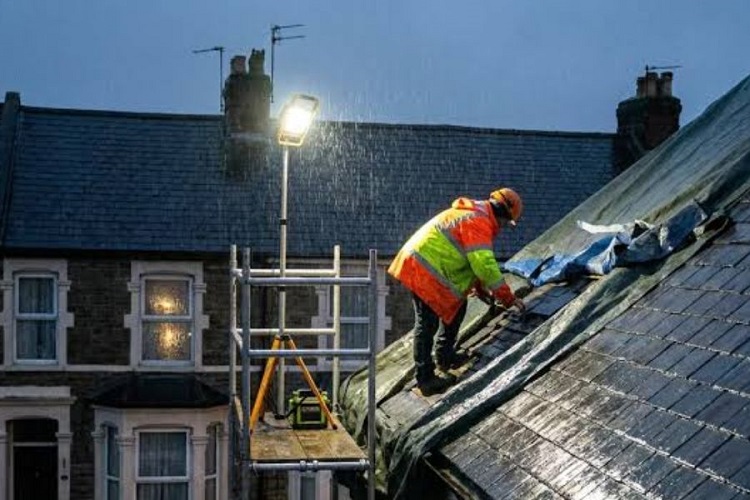
A roof leak rarely happens at a convenient time. Whether it's a severe thunderstorm, fallen tree branch, hail damage, or high winds, roofing emergencies often occur overnight, during weekends, or on holidays when most contractors are closed. That's why many homeowners search for emergency roof repair near me 24 hour services to protect their property before the damage becomes much worse.
Fast emergency roof repair is about more than stopping a leak. Prompt action can reduce structural damage, prevent mold growth, protect insulation, and minimize insurance claims. However, knowing what qualifies as a roofing emergency, what temporary repairs are appropriate, and how to select a trustworthy contractor is just as important as finding someone available around the clock.
This guide explains how 24-hour emergency roofing services work, average cost factors, repair procedures, insurance considerations, financing options, maintenance tips, and the questions every homeowner should ask before hiring an emergency roofing contractor.
What Is a 24-Hour Emergency Roof Repair Service?
A 24-hour emergency roof repair service provides rapid response when a roof has suffered sudden damage that threatens the safety or integrity of a home.
Unlike scheduled roof repairs, emergency services prioritize stabilizing the roof immediately, even if permanent repairs must be completed later when weather conditions improve.
Situations That Usually Require Emergency Roof Repair
- Active roof leaks during heavy rain
- Storm or hurricane damage
- Torn or missing shingles exposing the roof deck
- Tree limbs puncturing the roof
- Wind damage creating openings
- Fire-related roof damage
- Ice dam damage causing interior leaks
- Structural roof collapse or partial collapse
Not every missing shingle requires emergency service, but any damage allowing water into the home should be addressed as quickly as possible.
Signs You Need Immediate Roofing Assistance
Watch for these warning signs after severe weather or unexpected roof damage.
| Warning Sign | Why It Matters |
|---|---|
| Water dripping from ceilings | Indicates active roof penetration |
| Wet attic insulation | Moisture can spread quickly |
| Sagging ceiling drywall | Possible water accumulation |
| Missing large roof sections | Interior becomes exposed |
| Visible daylight through attic | Roof decking may be compromised |
| Tree impact | Structural inspection is necessary |
| Strong mold odor after storm | Hidden moisture may already exist |
Ignoring these issues can significantly increase repair costs over time.
What Happens During an Emergency Roof Repair Visit?
Most reputable roofing companies follow a structured emergency response process.
1. Emergency Assessment
The crew evaluates:
- Roof safety
- Structural stability
- Leak location
- Wind damage
- Debris hazards
- Interior water intrusion
2. Damage Documentation
Many contractors photograph damage to help homeowners with insurance claims.
Documentation often includes:
- Exterior roof photos
- Interior water damage
- Flashing failures
- Damaged shingles
- Structural concerns
3. Temporary Protection
When weather prevents permanent repairs, contractors often install temporary protection such as:
- Heavy-duty waterproof tarps
- Emergency roof coverings
- Plastic sheeting
- Temporary sealing materials
These measures help prevent additional water intrusion until permanent repairs can safely be completed.
4. Permanent Repair Planning
After the emergency is stabilized, the contractor typically schedules permanent repairs, which may involve:
- Shingle replacement
- Flashing replacement
- Roof decking repairs
- Vent repairs
- Underlayment replacement
- Partial reroofing
Common Causes of Emergency Roof Damage
Severe Wind
Strong winds can:
- Lift shingles
- Damage flashing
- Remove ridge caps
- Break roof vents
Hail
Large hail may cause:
- Granule loss
- Cracked shingles
- Broken skylights
- Dented metal roofing
Fallen Trees
Tree impacts often require immediate stabilization before repair work begins.
Heavy Rain
Persistent rain can expose existing weaknesses such as:
- Aging sealants
- Improper flashing
- Worn shingles
- Roof penetrations
Snow and Ice
In colder climates, ice dams can force water beneath shingles, leading to interior leaks.
Temporary Repair vs Permanent Repair
| Temporary Repair | Permanent Repair |
|---|---|
| Emergency tarp | New roofing materials |
| Leak sealant | Flashing replacement |
| Plastic covering | Deck repair |
| Emergency patch | Full shingle replacement |
| Stops immediate water intrusion | Restores long-term protection |
Temporary repairs are not intended to replace a complete roofing repair plan.
Emergency Roof Repair Cost Factors
Actual costs vary widely depending on location, roof design, accessibility, labor rates, weather conditions, and the extent of damage. Because every emergency is different, reputable contractors generally perform an inspection before providing a written estimate.
Major factors that influence pricing include:
| Cost Factor | Effect on Price |
|---|---|
| Roof size | Larger roofs require more labor and materials |
| Roof pitch | Steeper roofs increase labor complexity |
| Roofing material | Asphalt, metal, tile, slate, and wood differ in repair costs |
| Extent of water damage | Structural repairs increase costs |
| Emergency timing | Nights, weekends, and holidays may carry additional service charges |
| Accessibility | Multi-story homes and limited access increase labor requirements |
| Temporary tarping | May be billed separately from permanent repairs |
Always request a written scope of work before authorizing non-emergency repairs whenever possible.
Roofing Materials and Emergency Repair Considerations
| Roofing Material | Emergency Repair Notes |
|---|---|
| Asphalt shingles | Most common and generally straightforward to patch or replace |
| Metal roofing | May require specialized fasteners and matching panels |
| Clay tile | Individual tiles can often be replaced, but matching may be difficult |
| Concrete tile | Heavy materials require careful handling |
| Slate | Repairs should be performed by experienced slate roofing specialists |
| Wood shakes | Moisture management is especially important after damage |
Different roofing systems require different repair techniques, so selecting a contractor familiar with your roof type is essential.
Does Homeowners Insurance Cover Emergency Roof Repairs?
Insurance coverage depends on the cause of the damage and the terms of your policy
Damage from sudden, accidental events—such as windstorms, hail, or falling trees—is often covered, subject to deductibles and policy exclusions. Damage caused by neglect, deferred maintenance, or normal aging is generally not covered.
If your roof is damaged:
- Take photographs if it is safe to do so.
- Contact your insurance company promptly.
- Prevent further damage with reasonable temporary protection if possible.
- Keep receipts for emergency mitigation work.
- Avoid discarding damaged materials until the insurer or adjuster has inspected them, unless safety requires removal.
Your insurer may send an adjuster to evaluate the damage before approving repairs.
Financing Options for Larger Roof Repairs
Not every emergency repair is fully covered by insurance. Homeowners facing significant out-of-pocket expenses may consider financing options such as:
- Personal loans
- Home equity loans
- Home equity lines of credit (HELOCs)
- Contractor financing programs
- FHA Title I Property Improvement Loans (for eligible projects and borrowers)
Before financing, compare interest rates, repayment terms, fees, and eligibility requirements. Borrow only what you can comfortably repay.
How to Choose a Reliable 24-Hour Roofing Contractor
Availability alone should not determine your decision.
Look for These Qualities
- Proper licensing where required
- General liability insurance
- Workers' compensation coverage where applicable
- Written estimates
- Clear warranty information
- Positive customer reviews
- Experience with emergency response
- Familiarity with local building requirements
Questions to Ask
- Are emergency tarping services included?
- Can you provide written documentation for insurance?
- What repairs are temporary versus permanent?
- What warranties apply?
- Will permits be required for permanent repairs?
- When can permanent work begin?
Common Mistakes Homeowners Should Avoid
- Waiting several days to address an active leak
- Climbing onto a damaged roof during severe weather
- Hiring contractors without verifying credentials
- Paying the entire project cost upfront before work begins
- Ignoring attic moisture after repairs
- Assuming insurance automatically covers every type of roof damage
Taking prompt but informed action helps reduce both safety risks and repair costs.
Preventing Future Roofing Emergencies
Routine maintenance can reduce the likelihood of unexpected failures.
Seasonal Roof Maintenance Checklist
- Inspect shingles after major storms
- Clean gutters and downspouts
- Remove branches overhanging the roof
- Check flashing around chimneys and vents
- Inspect attic for moisture
- Replace damaged sealants
- Schedule professional roof inspections as recommended, particularly after severe weather
Preventive maintenance often identifies small problems before they become emergency repairs.
Emergency Roof Repair vs Full Roof Replacement
| Emergency Repair | Roof Replacement |
|---|---|
| Addresses localized damage | Replaces the entire roofing system |
| Lower initial cost | Higher upfront investment |
| Faster completion | Longer project timeline |
| Suitable for isolated damage | Appropriate when the roof has widespread deterioration or has reached the end of its service life |
| Extends usable life | Resets the roof's lifespan |
A professional inspection can determine whether repairs are sufficient or replacement is the more practical long-term solution.
Industry Standards and Trusted Resources
Homeowners can benefit from guidance published by recognized organizations, including:
- National Roofing Contractors Association (NRCA): Best practices for roofing installation, inspection, maintenance, and repair.
- International Code Council (ICC): Model building codes adopted by many jurisdictions.
- U.S. Department of Housing and Urban Development (HUD): Homeownership and housing resources.
- Federal Housing Administration (FHA): Information about eligible property improvement financing programs.
- U.S. Department of Energy (DOE): Energy-efficient roofing guidance.
- ENERGY STAR: Certified roofing products that may help improve energy efficiency.
- Environmental Protection Agency (EPA): Moisture management and mold prevention information.
Consult local building authorities to understand the codes and permit requirements applicable in your area.
Frequently Asked Questions
How quickly should I call a roofer after discovering a leak?
Contact a roofing contractor as soon as possible if water is actively entering your home. Prompt mitigation can reduce damage to ceilings, insulation, framing, and personal belongings.
Can emergency roof repairs be completed during rain?
Contractors may perform limited emergency measures, such as tarping or temporary sealing, when conditions are safe. Permanent repairs are often scheduled after weather improves.
Is roof tarping considered a permanent repair?
No. Emergency tarps are temporary protective measures designed to reduce additional water intrusion until permanent repairs can be completed.
Should I inspect the roof myself after a storm?
Ground-level visual inspections are generally safer than climbing onto a damaged roof. If structural damage is suspected, contact a qualified roofing professional instead of attempting your own inspection.
Will emergency roof repair stop mold from developing?
Promptly stopping water intrusion and thoroughly drying affected materials reduces the risk of mold growth. However, prolonged moisture may require additional remediation if mold has already developed.
Final Thoughts
Searching for emergency roof repair near me 24 hour is often the first step after discovering a sudden roof leak or storm-related damage. While immediate response is critical, choosing a qualified contractor, documenting damage for insurance, and understanding the difference between temporary stabilization and permanent repair are equally important.
Regular roof inspections, seasonal maintenance, and timely repairs remain the most effective strategies for extending the life of your roofing system and reducing the likelihood of future emergencies. By working with experienced professionals and relying on recognized industry guidance, homeowners can protect both their property and their long-term investment.