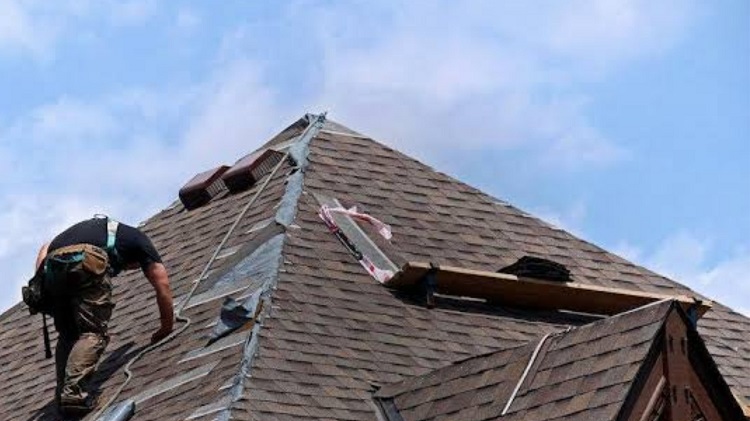
Replacing a roof is one of the largest maintenance expenses most homeowners will face. Depending on the roofing material, home size, labor costs, and the extent of damage, the project can cost thousands—or even tens of thousands—of dollars. Fortunately, if your roof has been damaged by a covered event such as a windstorm, hailstorm, fire, or falling tree, your homeowners insurance policy may pay for much or even most of the replacement cost.
However, many homeowners mistakenly assume that filing an insurance claim guarantees a free new roof. In reality, insurance companies evaluate every claim based on the cause of the damage, the condition and age of the roof, the specific terms of the insurance policy, deductibles, depreciation, and supporting documentation.
Understanding how roof insurance claims work before damage occurs can help you make better decisions, avoid unnecessary claim denials, and prepare for the financial responsibilities that insurance may not cover.
This guide explains the real cost to replace a roof with an insurance claim, how claim payments are calculated, what insurers typically cover, what homeowners usually pay out of pocket, and how the process differs across the United States, Canada, Australia, New Zealand, and many European insurance markets.
Understanding Roof Replacement Insurance Claims
A homeowners insurance policy is designed to protect against sudden and accidental losses, not normal aging or predictable deterioration.
This distinction is extremely important because it determines whether your roof replacement qualifies for coverage.
Imagine two homeowners with identical asphalt shingle roofs that are both 20 years old.
The first homeowner's roof is heavily damaged during a severe hailstorm. The second homeowner notices leaks that have gradually developed over several years because worn shingles were never replaced.
Although both roofs now require replacement, the insurance outcome may be completely different.
In the first scenario, the damage resulted from a covered event. In the second, the insurer may determine that the roof simply reached the end of its useful life and deny coverage.
Insurance companies investigate not only how much damage exists, but also why it occurred.
Insurance Covers Sudden Losses, Not Expected Maintenance
Most standard homeowners insurance policies are intended to cover unexpected physical damage caused by insured perils rather than routine maintenance expenses.
Examples of covered perils often include:
- Windstorms
- Hail
- Fire
- Lightning
- Falling trees
- Certain types of water damage following a covered event
- Vandalism (depending on the policy)
By contrast, homeowners are generally responsible for replacing roofs that have simply worn out over time.
Insurance should not be viewed as a maintenance plan. Instead, it functions as financial protection against unexpected events that damage the home.
Roof Damage That Is Commonly Covered by Insurance
Although every insurance policy is different, several causes of roof damage are frequently covered when they result from a sudden, accidental event.
Wind Damage
High winds can damage roofing systems in several ways.
Common examples include:
- Missing shingles
- Torn ridge caps
- Lifted shingles
- Damaged flashing
- Detached metal panels
- Wind-driven debris impacts
Sometimes wind damage appears minor from the ground while allowing rainwater to penetrate beneath the roofing system.
Professional inspections often reveal hidden damage that homeowners cannot safely identify themselves.
Hail Damage
Hail is one of the most common reasons homeowners file roof replacement claims.
Damage may include:
- Granule loss on asphalt shingles
- Bruised shingles
- Cracked tile
- Dented metal roofing
- Broken skylights
- Damaged flashing
- Punctured roofing membranes
Not every dent automatically requires roof replacement. Insurance adjusters typically evaluate whether hail has affected the roof's ability to protect the home rather than considering cosmetic appearance alone.
Fire Damage
Fire can compromise roofing materials, structural framing, insulation, and attic ventilation systems.
Even if flames never reach the roof surface, intense heat may weaken roofing components enough to require replacement.
Following a house fire, insurance companies generally inspect both visible and hidden structural damage before determining the scope of repairs.
Fallen Trees
Trees damaged by storms frequently cause significant roof destruction.
Potential damage includes:
- Broken rafters
- Crushed decking
- Torn shingles
- Structural movement
- Water intrusion
Because structural repairs are often necessary in these situations, replacement costs may extend well beyond roofing materials alone.
Lightning
Although less common, lightning strikes can damage roofing systems directly or indirectly by causing fires, electrical surges, or structural impacts.
Snow and Ice Events
In colder climates, excessive snow loads, ice dams, and freeze-thaw cycles may contribute to roof damage.
Coverage depends on both the cause of the damage and the specific insurance policy.
For example, if an ice dam forms because of a covered weather event and leads to interior water damage, portions of the resulting repairs may qualify for coverage. However, claims related to long-term maintenance deficiencies may be treated differently.
Roof Damage Insurance Usually Does Not Cover
Understanding exclusions is just as important as understanding coverage.
Many homeowners are surprised to learn that insurance companies commonly deny claims when roof problems result from gradual deterioration instead of a sudden insured event.
Typical exclusions include:
- Normal aging
- Wear and tear
- Poor maintenance
- Improper installation
- Manufacturer defects
- Rust or corrosion
- Mold caused by neglected leaks
- Pest damage
- Rot from long-term moisture exposure
- Cosmetic deterioration that does not affect roof performance
For example, if asphalt shingles curl after decades of sun exposure, insurance is unlikely to pay for replacement because the roof simply reached the end of its service life.
Covered vs. Non-Covered Roof Damage
| Commonly Covered | Commonly Not Covered |
|---|---|
| Windstorm damage | Old age |
| Hail damage | Wear and tear |
| Fire | Lack of maintenance |
| Lightning | Improper installation |
| Fallen trees | Manufacturing defects |
| Sudden storm damage | Gradual leaks |
| Certain vandalism losses | Cosmetic aging |
Coverage always depends on the specific policy language, applicable endorsements, and the insurer's investigation.
Average Cost to Replace a Roof Before Insurance
Before calculating what insurance might pay, it's important to understand the total replacement cost.
The final price depends on factors such as:
- Roof size
- Roof pitch
- Roofing material
- Labor rates
- Geographic location
- Permit requirements
- Flashing replacement
- Ventilation improvements
- Deck repairs
- Disposal costs
For many residential projects, roofing contractors prepare estimates that include both material and labor, along with line items for additional work discovered during tear-off.
Typical Installed Cost by Roofing Material
| Roofing Material | Typical Installed Cost | Expected Service Life |
|---|---|---|
| 3-tab asphalt shingles | Lower | 15–20 years |
| Architectural asphalt shingles | Moderate | 25–30+ years |
| Standing seam metal | Higher | 40–70 years |
| Cedar shake | High | 25–40 years |
| Concrete tile | High | 50+ years |
| Clay tile | Premium | 50–100+ years |
| Natural slate | Premium | 75–150+ years |
While premium roofing materials cost significantly more to install, they may also provide longer service lives when properly maintained and installed according to manufacturer requirements.
Factors That Can Increase Insurance Claim Costs
Insurance estimates often include more than just shingles.
Additional work may involve:
- Removing existing roofing materials
- Replacing underlayment
- Installing drip edge
- Replacing flashing
- Ridge vent installation
- Pipe boot replacement
- Valley protection
- Ice and water barriers where required
- Roof decking replacement if damaged
- Debris disposal
- Permit fees
- Final inspections
Hidden damage discovered after the old roof is removed is common, especially in older homes or properties that have experienced repeated leaks.
When contractors uncover structural issues, they may submit supplemental documentation to the insurer for additional consideration, depending on policy terms and the cause of the damage.
Roof Age Matters More Than Many Homeowners Realize
The age of your roof plays a significant role in how insurance companies evaluate claims.
Older roofs are generally more susceptible to wear, making it more difficult to distinguish between storm-related damage and deterioration caused by age.
Some insurers may offer different settlement methods depending on roof age, while others may limit certain types of coverage or require additional endorsements. In regions that experience frequent hail or wind events, underwriting practices may vary even more.
This is one reason why maintaining records of inspections, repairs, and previous roof work can be valuable. Documentation showing that a roof was properly maintained before a storm may help establish that the claimed damage resulted from a covered event rather than long-term neglect.
Why Professional Roof Inspections Matter
After a major storm, many signs of roof damage are not visible from the ground.
A qualified roofing contractor may identify issues such as:
- Lifted shingles without complete detachment
- Cracked sealant
- Damaged flashing
- Bruised asphalt shingles
- Compromised underlayment
- Soft spots in roof decking
- Moisture intrusion around penetrations
These findings can help homeowners better understand the condition of the roof before discussions with the insurance company begin.
Professional inspections also establish a documented record of damage, which may support the claim process when combined with photographs, weather reports, and other relevant evidence.
Common Misconceptions About Roof Insurance Claims
Many homeowners delay filing claims—or expect outcomes that insurance policies were never designed to provide—because of common misconceptions.
Some of the most frequent myths include:
- "Insurance pays for every old roof."
In most cases, insurance covers covered perils, not normal aging or deferred maintenance. - "Any leak qualifies for a replacement."
A leak alone does not determine coverage. The underlying cause is what matters. - "The insurance company automatically replaces the entire roof."
Depending on the damage, policy terms, local regulations, and repairability, an insurer may determine that repair rather than full replacement is appropriate. - "The cheapest contractor is always the best option."
Low bids can omit necessary work, use lower-grade materials, or exclude items that become additional charges later. - "Filing a claim guarantees approval."
Every claim is investigated based on the policy language, evidence, and cause of loss.
Understanding these realities before starting the claims process helps homeowners set realistic expectations and make more informed decisions.
Replacement Cost Value (RCV) vs. Actual Cash Value (ACV)
One of the biggest surprises for homeowners comes after they receive the insurance settlement. They expected the insurer to pay the full amount for a brand-new roof, only to discover the payment is lower than the contractor's estimate.
The reason usually comes down to how the policy values the damaged roof.
Most homeowners insurance policies use one of two valuation methods:
- Replacement Cost Value (RCV)
- Actual Cash Value (ACV)
Understanding the difference is essential because it directly affects how much money you receive and how much you may have to pay out of pocket.
What Is Replacement Cost Value (RCV)?
Replacement Cost Value (RCV) refers to the amount required to repair or replace the damaged roof with materials of similar kind and quality at current market prices, without deducting depreciation from the final covered value.
In simple terms, an RCV policy is designed to restore your home to its pre-loss condition rather than compensate you only for the remaining value of an aging roof.
For example, suppose a severe hailstorm destroys your asphalt shingle roof. If replacing that roof today costs $18,500, an RCV policy generally uses today's replacement cost as the basis for calculating the covered loss, subject to your deductible, policy limits, exclusions, and any applicable depreciation procedures.
Many insurers initially pay the Actual Cash Value and then release the recoverable depreciation after the repairs are completed and documented. The exact payment sequence depends on the policy language and the insurer's claims process.
Benefits of Replacement Cost Coverage
RCV policies generally offer several advantages:
- Better financial protection against major losses.
- Reduced out-of-pocket expenses compared with ACV policies.
- Allows replacement using current material and labor costs within policy terms.
- Better suited for expensive roofing systems.
Although RCV coverage usually costs more than ACV coverage, many homeowners consider the additional premium worthwhile because roof replacement costs have increased significantly over the past decade.
What Is Actual Cash Value (ACV)?
Actual Cash Value works differently.
Instead of paying the full cost of a new roof, ACV considers the roof's age, expected lifespan, and depreciation.
The insurance company estimates what the damaged roof was worth immediately before the covered loss occurred.
As a result, homeowners with older roofs often receive substantially smaller claim payments.
Why Depreciation Matters
Every roofing system gradually loses value as it ages.
Factors affecting depreciation include:
- Roof age
- Material type
- Expected service life
- Overall condition
- Previous repairs
- Environmental exposure
- Maintenance history
Depreciation does not necessarily mean the roof was poorly maintained. It simply reflects the reality that roofing materials wear over time.
RCV vs. ACV Comparison
| Feature | Replacement Cost Value (RCV) | Actual Cash Value (ACV) |
|---|---|---|
| Pays current replacement cost | Yes, subject to policy terms | No |
| Depreciation deducted permanently | No (if recoverable depreciation applies and policy conditions are met) | Yes |
| Lower homeowner cost | Usually | Not always |
| Higher insurance premium | Often | Usually lower |
| Better for older roofs | Generally | Often less favorable |
| Common in newer policies | Yes | Also used, depending on insurer and policy |
Understanding Roof Depreciation
Depreciation is one of the most misunderstood parts of a roof insurance claim.
Insurance companies generally estimate how much useful life the roof has already used.
For example:
- Original roof lifespan: 30 years
- Roof age: 15 years
The roof has used roughly half of its expected life.
This does not automatically mean the roof has lost exactly 50% of its value, because insurers may evaluate depreciation using additional factors such as condition and maintenance. However, it illustrates the general concept.
Example of an ACV Settlement
Imagine the following situation:
- Roof replacement estimate: $20,000
- Roof age: 15 years
- Expected service life: 30 years
- Insurance deductible: $2,000
If the insurer determines that approximately half of the roof's value has been consumed through depreciation, the payment under an ACV policy may be substantially less than the full replacement cost, before applying the deductible.
The homeowner would then be responsible for the deductible plus the portion of the replacement cost not covered because of depreciation.
The exact calculation varies by insurer and policy language, so settlement amounts should not be assumed from simplified examples.
Example of an RCV Settlement
Now compare the same roof under a Replacement Cost Value policy.
Suppose:
- Replacement estimate: $20,000
- Deductible: $2,000
After the deductible is applied, the insurer may ultimately reimburse the remaining covered amount once all policy requirements have been satisfied. Depending on the policy, the insurer may first issue an ACV payment and later release recoverable depreciation after receiving proof that the roof has been repaired or replaced.
This illustrates why RCV policies often leave homeowners with lower out-of-pocket costs than ACV policies, assuming the loss is covered.
Recoverable vs. Non-Recoverable Depreciation
Another important concept is whether depreciation is recoverable.
Recoverable Depreciation
With many RCV policies:
- The insurer estimates the full replacement cost.
- An initial payment based on ACV is issued.
- The homeowner completes the roof replacement.
- Required documentation, such as invoices or completion certificates, is submitted.
- The insurer may release the recoverable depreciation, provided all policy conditions are met.
This process helps ensure that claim funds are used for the intended repairs.
Non-Recoverable Depreciation
Some policies do not reimburse depreciation after repairs are completed.
In these situations:
- The depreciation amount remains the homeowner's responsibility.
- The final settlement is lower than the total replacement cost.
- Out-of-pocket expenses can increase significantly.
Understanding whether depreciation is recoverable before filing a claim can help homeowners avoid unexpected financial obligations.
Understanding Roof Insurance Deductibles
Even when a roof replacement is fully covered, homeowners are almost always responsible for paying their policy deductible.
A deductible is the amount the policyholder pays before insurance coverage begins.
The deductible applies separately from depreciation and other policy conditions.
Common Types of Roof Deductibles
Fixed Dollar Deductible
This is the simplest type.
Examples include:
- $500
- $1,000
- $2,000
- $5,000
If the covered loss exceeds the deductible, the insurer generally pays the covered amount above that threshold, subject to policy limits and terms.
Percentage Deductible
Some policies use a deductible based on a percentage of the home's insured value rather than a fixed dollar amount.
For example, a policy with a 2% deductible on a home insured for $500,000 would require the homeowner to pay a larger deductible than a standard fixed-dollar policy.
Percentage deductibles are commonly associated with specific perils in certain regions, such as hurricanes or windstorms.
Wind or Hurricane Deductibles
In coastal or storm-prone areas, insurers may apply special deductibles for:
- Hurricanes
- Tropical cyclones
- Named storms
- Wind events
These deductibles can differ from the standard deductible that applies to other covered losses.
Sample Insurance Claim Scenarios
The following examples are simplified to demonstrate how different circumstances may affect a claim outcome.
| Scenario | Likely Coverage Consideration |
|---|---|
| Severe hail damages the entire roof | Full replacement may be considered if warranted by the damage and policy |
| Wind removes shingles from one roof section | Repair may be sufficient if the roof remains repairable |
| Large tree falls through the roof | Structural repairs and roof replacement may both be covered if caused by a covered peril |
| Roof leaks because shingles reached end of life | Typically not covered as maintenance-related deterioration |
| Fire damages roof framing and shingles | Often covered, subject to policy terms and limits |
Actual outcomes depend on the policy language, inspection findings, local repair standards, and applicable regulations.
Step-by-Step Roof Insurance Claim Process
Understanding the claims process helps homeowners stay organized and reduces delays.
Step 1: Ensure Safety First
After a storm or other damaging event:
- Stay clear of unstable structures.
- Do not climb onto a damaged roof.
- Address immediate safety hazards if possible.
- Contact emergency services if necessary.
Personal safety should always take priority over documenting property damage.
Step 2: Document the Damage
Gather as much evidence as possible without putting yourself at risk.
Helpful documentation includes:
- Photos from multiple angles.
- Videos showing visible damage.
- Interior water intrusion.
- Damaged gutters or siding.
- Fallen branches or debris.
- Dates and approximate times of the event.
If local weather reports or official storm records are available, they may also help establish when the damage occurred.
Step 3: Prevent Further Damage
Most insurance policies require homeowners to take reasonable steps to prevent additional damage after a covered loss.
Examples include:
- Placing tarps over exposed roof sections.
- Removing standing water where safe.
- Covering broken skylights.
- Protecting personal belongings from rain.
Keep receipts for reasonable emergency expenses, as some policies may reimburse qualifying temporary mitigation costs.
Step 4: Notify Your Insurance Company
Contact your insurer as soon as practical after discovering covered damage.
Be prepared to provide:
- Your policy number.
- Date of the incident.
- Description of the damage.
- Photos or videos, if requested.
- Contact information.
The insurer will typically assign a claim number and explain the next steps in the process.
Step 5: Schedule the Insurance Inspection
An insurance adjuster may inspect the property to evaluate:
- Cause of damage.
- Extent of damage.
- Repair versus replacement.
- Potential policy coverage.
Many homeowners also arrange for their roofing contractor to be present during the inspection so technical questions can be addressed on-site. While practices vary, this can help ensure that all observable damage is discussed and documented.
Step 6: Review the Estimate
After the inspection, the insurer generally prepares an estimate outlining the covered scope of work and the basis for the proposed settlement.
Before accepting the estimate, compare it carefully with the contractor's proposal. Differences in scope, material specifications, or repair methods may require clarification or additional documentation.
In the next section, we'll explore how contractors and insurers handle supplemental claims, building code upgrades, contractor selection, financing options, and strategies for maximizing a legitimate insurance settlement while avoiding common claim mistakes.
Insurance Adjuster vs. Roofing Contractor
One of the most misunderstood aspects of a roof insurance claim is the relationship between the insurance adjuster and the roofing contractor.
Although both inspect roof damage, they serve very different purposes and represent different interests during the claims process.
Understanding these roles can help homeowners communicate more effectively, interpret estimates correctly, and avoid unnecessary disputes.
| Insurance Adjuster | Roofing Contractor |
|---|---|
| Represents the insurance company | Represents the homeowner (if hired by the homeowner) |
| Determines policy coverage | Determines repair or replacement needs |
| Evaluates cause of damage | Evaluates construction requirements |
| Reviews policy limitations | Prepares a detailed roofing estimate |
| Calculates claim value | Calculates actual installation costs |
| May recommend repair instead of replacement | May identify additional damage requiring replacement |
An insurance adjuster decides what the insurance policy covers, while a roofing contractor determines what work is required to restore the roof properly.
These are not always the same thing.
What Does an Insurance Adjuster Actually Do?
After a claim is filed, the insurance company assigns an adjuster to investigate the loss.
The adjuster's responsibilities often include:
- Confirming the date of loss.
- Inspecting visible roof damage.
- Determining whether the damage resulted from a covered peril.
- Reviewing the policy language.
- Estimating repair or replacement costs.
- Identifying applicable deductibles and depreciation.
- Preparing a settlement recommendation.
Adjusters may be employees of the insurance company or independent professionals hired to handle claims on the insurer's behalf.
Regardless of their employment arrangement, their role is to assess the claim according to the terms of the insurance policy—not to manage the construction project.
What Does a Roofing Contractor Do?
A qualified roofing contractor focuses on restoring the roof to a safe, functional condition.
Their responsibilities may include:
- Conducting a detailed roof inspection.
- Measuring the roof accurately.
- Identifying hidden damage.
- Evaluating ventilation.
- Inspecting flashing and penetrations.
- Assessing roof decking.
- Preparing a written estimate.
- Completing repairs or replacement.
- Providing workmanship warranties.
Because contractors physically perform the work, they may identify issues that are not immediately visible during an initial insurance inspection.
Why Estimates Sometimes Differ
It is common for a contractor's estimate to differ from the insurance company's initial estimate.
This does not necessarily indicate that either party is acting improperly.
Differences may arise because:
- Additional damage becomes visible after tear-off.
- Building code requirements affect the repair scope.
- The contractor includes upgraded flashing or ventilation.
- Material quantities differ.
- Disposal costs vary.
- Labor rates differ by market.
- Certain accessories were omitted from the original estimate.
When legitimate differences exist, contractors often submit supporting documentation to the insurer for review.
Supplemental Insurance Claims
One of the least understood parts of roof replacement is the supplemental claim, often referred to simply as a "supplement."
A supplement is not a second insurance claim.
Instead, it is a request to reconsider or increase the approved payment when additional covered damage or necessary work is discovered after the original estimate.
Common Reasons for Supplements
Additional repairs may become necessary because:
- Rotten roof decking is discovered.
- Hidden water damage becomes visible.
- Flashing cannot be reused.
- Ventilation upgrades are required.
- Additional underlayment is needed.
- Ice and water barrier installation is required in specific roof areas.
- Structural framing damage is uncovered.
Because these conditions often cannot be confirmed until the old roofing materials have been removed, supplements are a normal part of many roofing projects.
How the Supplement Process Works
Although procedures vary among insurers, the process generally follows these steps:
- The contractor documents the newly discovered damage.
- Photos and supporting information are prepared.
- A revised estimate is submitted.
- The insurance company reviews the documentation.
- The insurer determines whether the additional work is covered under the policy.
- If approved, an additional payment may be issued.
Approval is not automatic. The insurer must determine that the extra work is related to the covered loss and falls within the policy's terms.
Building Code Upgrades Can Affect Costs
Building codes change over time to improve safety, durability, and energy performance.
As a result, replacing an older roof may require work that was not necessary when the home was originally built.
Examples include:
- Improved ventilation systems.
- Updated flashing requirements.
- Enhanced underlayment.
- Ice barrier installation in certain climates.
- Fastener requirements for high-wind regions.
These upgrades can increase the overall project cost.
Some homeowners insurance policies include Ordinance or Law Coverage (sometimes called Code Upgrade Coverage), which may help pay for certain additional costs required to comply with current building regulations. Coverage varies by policy, so homeowners should review their declarations page and policy wording carefully.
Can You Choose Your Own Roofing Contractor?
In many countries, including the United States, Canada, Australia, and New Zealand, homeowners are generally free to choose the roofing contractor who performs the work, even if the insurance company provides a list of preferred contractors.
That said, policyholders should confirm any applicable requirements with their insurer and ensure the selected contractor meets licensing and insurance obligations in their jurisdiction.
Why Getting Multiple Estimates Is Helpful
Requesting estimates from several qualified contractors can help homeowners:
- Understand local pricing.
- Compare materials.
- Review different installation methods.
- Evaluate warranties.
- Identify unusually low or unusually high bids.
The lowest estimate is not always the best value. A comprehensive proposal that clearly explains the scope of work often provides a better basis for comparison.
Choosing a Reputable Roofing Contractor
A roof replacement can affect your home's performance for decades, making contractor selection one of the most important decisions in the entire process.
Before signing a contract, consider whether the contractor provides:
- A detailed written estimate.
- Proof of licensing where required.
- General liability insurance.
- Workers' compensation coverage where applicable.
- Manufacturer certifications, if relevant.
- References from recent projects.
- Written warranty information.
- A clear project timeline.
Avoid contractors who:
- Demand full payment before work begins.
- Pressure you to sign immediately after a storm.
- Refuse to provide proof of insurance.
- Offer to waive or absorb your deductible where prohibited by law.
- Provide only verbal estimates.
- Lack a physical business address or established local presence.
Roof Replacement Warranties
Replacing a roof through an insurance claim does not automatically reduce the warranty protection available. However, warranty terms depend on the products installed, the manufacturer's requirements, and the contractor's workmanship guarantee.
Homeowners should understand the different types of warranties before work begins.
Manufacturer Warranty
A manufacturer warranty generally covers defects in the roofing products themselves, subject to the manufacturer's terms and conditions.
Coverage may vary based on:
- Roofing material.
- Product line.
- Installation method.
- Required accessory products.
- Registration requirements, where applicable.
Improper installation may affect warranty eligibility, which is one reason many manufacturers require installation according to their published instructions.
Workmanship Warranty
A workmanship warranty is provided by the roofing contractor and covers issues related to the installation rather than defects in the roofing materials.
Examples might include problems arising from:
- Improper flashing installation.
- Incorrect shingle placement.
- Poor fastening practices.
- Installation errors that lead to leaks.
The duration and scope of workmanship warranties vary by contractor.
Can You Upgrade Roofing Materials During an Insurance Claim?
Many homeowners choose to upgrade their roof while insurance is already covering part of the replacement.
Common upgrades include:
- Architectural shingles instead of basic three-tab shingles.
- Standing seam metal roofing.
- Higher-impact-resistant shingles.
- Improved ventilation systems.
- Premium underlayment.
- Enhanced flashing components.
In many cases, the insurance company will pay the amount it would have covered for a comparable replacement, while the homeowner pays the additional cost associated with the upgrade.
Before making changes, discuss the proposed materials with both the contractor and the insurer to ensure there is a clear understanding of how any additional costs will be handled.
Financing Costs Not Covered by Insurance
Even with insurance assistance, homeowners often have expenses that remain their responsibility.
These may include:
- Policy deductible.
- Non-covered upgrades.
- Depreciation under certain policies.
- Maintenance-related repairs.
- Cosmetic improvements outside the approved scope.
To manage these costs, some homeowners explore financing options such as:
- Home equity loans.
- Home equity lines of credit (HELOCs).
- Personal loans.
- Contractor financing programs, where available.
- Mortgage refinancing in appropriate circumstances.
Before financing any portion of a roofing project, compare interest rates, fees, repayment terms, and the total cost of borrowing to determine which option best fits your financial situation.
What Happens If Your Roof Insurance Claim Is Denied?
Receiving a claim denial can be frustrating, especially if you believe your roof suffered legitimate storm damage. However, a denial does not always mean the process is over. The first step is to understand why the claim was denied.
Insurance companies are generally required to explain the basis for their decision according to the policy language and applicable regulations in the jurisdiction where the policy was issued.
Some denials result from clear policy exclusions, while others stem from insufficient documentation, disagreements about the cause of damage, or questions about the scope of repairs.
Before challenging a denial, carefully review:
- The written claim determination.
- Your insurance policy.
- The adjuster's estimate.
- Inspection photographs.
- Any engineering or roofing reports.
- Correspondence related to the claim.
Understanding the insurer's reasoning makes it easier to determine the appropriate next steps.
Common Reasons Roof Claims Are Denied
While every claim is different, insurers commonly deny or partially deny roof replacement claims for reasons such as:
The Damage Was Caused by Normal Wear and Tear
Homeowners insurance generally does not function as a maintenance policy.
If the insurer concludes that the roof failed because it simply reached the end of its service life, the claim may be denied.
Examples include:
- Aging shingles
- Surface deterioration
- Granule loss due to age
- Long-term weather exposure
- Normal material degradation
Poor Maintenance
Insurance policies often require homeowners to maintain their property reasonably.
Evidence of neglected maintenance may include:
- Long-standing leaks
- Clogged gutters causing water backup
- Rotting fascia boards
- Unrepaired flashing damage
- Extensive moss or vegetation growth
Maintenance-related problems may reduce or eliminate coverage if they contributed to the loss.
Damage Occurred Before the Claimed Event
Sometimes inspections reveal that damage existed long before the reported storm.
Insurance companies may compare:
- Previous inspections
- Prior claims
- Aerial imagery
- Weather records
- Repair history
If the evidence suggests the damage predates the reported event, the claim may be denied.
Cosmetic Damage Only
Some roofing materials, particularly metal roofs, may sustain cosmetic dents without losing their ability to protect the home.
Certain policies distinguish between:
- Cosmetic damage
- Functional damage
Coverage depends on policy wording and the actual effect on roof performance.
The Cause Is Excluded
Policies may exclude specific causes of loss.
Examples could include:
- Earth movement
- Flooding
- Manufacturer defects
- Construction defects
- Improper installation
The exact exclusions vary by insurer and policy.
Can You Appeal a Denied Roof Claim?
Yes. In many situations, homeowners may request that the insurer reconsider the decision.
A successful appeal usually focuses on new information, not simply disagreement.
Helpful supporting documentation may include:
- Independent roofing inspections.
- Engineer reports.
- Additional photographs.
- Drone imagery.
- Weather documentation.
- Contractor estimates.
- Documentation of hidden damage discovered during repairs.
Throughout the process, keep copies of all communications and maintain a record of dates, inspections, and submitted documents.
Should You Get a Second Roof Inspection?
A second inspection can sometimes clarify whether the original assessment accurately reflects the roof's condition.
Independent inspections may identify:
- Storm-created openings.
- Wind uplift.
- Hail bruising.
- Flashing damage.
- Moisture intrusion.
- Structural movement.
While another inspection does not guarantee claim approval, additional technical evidence can help homeowners better understand the condition of the roof and discuss any differences with the insurer.
Country-by-Country Overview of Roof Insurance Claims
Although homeowners insurance exists in many developed countries, claim procedures and policy structures vary considerably.
Understanding these differences is especially useful for property investors and homeowners with international real estate holdings.
United States
The United States has one of the largest residential property insurance markets in the world.
Roof claims frequently involve damage caused by:
- Hail
- Wind
- Hurricanes
- Tornadoes
- Wildfires
- Falling trees
Many U.S. policies distinguish between Replacement Cost Value (RCV) and Actual Cash Value (ACV) settlements.
Some insurers also apply separate deductibles for hurricanes or windstorms in certain states.
Building code upgrade endorsements, sometimes referred to as Ordinance or Law Coverage, may be available to help cover qualifying costs associated with code-required improvements after a covered loss.
Canada
Canadian homeowners commonly experience roof claims related to:
- Windstorms
- Heavy snow
- Ice accumulation
- Hail
- Falling trees
Freeze-thaw cycles can create additional roofing challenges, making proper attic insulation and ventilation important for long-term roof performance.
Coverage depends on the insurance contract, local climate risks, and the cause of the damage.
Australia
Australia's climate varies significantly by region.
Roof insurance claims may involve:
- Severe thunderstorms
- Hail
- High winds
- Cyclones in northern regions
- Bushfires
Homes in cyclone-prone areas may have different construction standards and insurance considerations than homes in other parts of the country.
New Zealand
New Zealand experiences a combination of:
- High winds
- Heavy rainfall
- Coastal weather
- Occasional severe storms
- Earthquake-related risks in certain areas
Roof claims are generally evaluated based on the policy wording and the specific event that caused the damage.
Europe
Europe includes many different insurance systems rather than one unified approach.
Common covered weather events may include:
- Windstorms
- Heavy snow
- Hail
- Falling trees
However, policy terms, consumer protections, deductibles, and claims procedures differ from country to country.
Homeowners should always review their local insurance policy rather than relying on practices from another jurisdiction.
Does Filing a Roof Claim Increase Insurance Premiums?
Many homeowners hesitate to report roof damage because they worry their premiums will automatically increase.
There is no universal answer.
Premium adjustments depend on many factors, including:
- Claim history.
- Local catastrophe risk.
- Regional weather trends.
- Insurance market conditions.
- Property characteristics.
- Underwriting guidelines.
- The insurer's pricing model.
A claim resulting from a widespread natural disaster may be treated differently from repeated claims involving the same property.
Because underwriting practices vary, homeowners should avoid assuming that every claim will produce the same premium outcome.
Roof Maintenance Tips That May Help Prevent Future Problems
Although maintenance cannot prevent every storm-related loss, routine inspections and timely repairs can reduce the likelihood of avoidable damage.
Annual Roof Maintenance Checklist
Inspect or arrange for professional inspection of:
- Shingles or roof coverings.
- Flashing around chimneys.
- Skylights.
- Roof vents.
- Valleys.
- Ridge caps.
- Gutters.
- Downspouts.
- Fascia boards.
- Soffits.
Remove:
- Leaves.
- Branches.
- Moss where appropriate.
- Debris that traps moisture.
Trim tree branches that extend over the roof whenever practical and safe.
Address small repairs promptly before they develop into larger problems.
Common Mistakes Homeowners Make During Roof Insurance Claims
Even legitimate claims can become more complicated when avoidable mistakes occur.
Waiting Too Long to Report Damage
Many insurance policies require prompt notification after a covered loss.
Delays may make it more difficult to determine when the damage occurred.
Throwing Away Damaged Materials
If it is safe to do so, preserve damaged roofing materials until the insurer or contractor advises otherwise.
These materials may help document the cause of the damage.
Failing to Take Photographs
Photos taken immediately after the event often become valuable evidence during the claims process.
Capture:
- Roof damage.
- Interior leaks.
- Fallen trees.
- Broken gutters.
- Damaged fencing.
- Surrounding property.
Ignoring Temporary Repairs
If rain continues entering the home after a storm, reasonable temporary measures—such as installing protective tarps—may help reduce additional damage.
Homeowners should retain receipts for emergency mitigation expenses where applicable.
Accepting the First Estimate Without Review
Read every estimate carefully.
Compare:
- Material specifications.
- Ventilation work.
- Flashing replacement.
- Cleanup.
- Disposal.
- Warranty information.
If differences exist between contractor estimates and the insurer's estimate, ask questions before work begins.
Hiring Contractors Immediately After a Storm
Major storms often attract contractors from outside the affected area.
Before signing any agreement:
- Verify licensing where required.
- Confirm insurance coverage.
- Request references.
- Read contracts carefully.
- Understand cancellation rights that may apply under local law.
Best Practices for a Successful Roof Insurance Claim
Homeowners can improve the claims process by following a few practical steps:
- Inspect the property after major storms when it is safe to do so.
- Document damage thoroughly with photographs and notes.
- Notify the insurer promptly.
- Obtain a professional roof inspection.
- Read the insurance estimate carefully.
- Ask questions about unclear items.
- Keep copies of all invoices and receipts.
- Save all claim correspondence.
- Maintain records of inspections and repairs.
- Understand your deductible before work begins.
Being organized throughout the process often helps reduce delays and misunderstandings.
Frequently Asked Questions
Does homeowners insurance always pay for a new roof?
No. Coverage depends on the cause of the damage, the policy terms, applicable exclusions, and the insurer's investigation.
Can an old roof still qualify for insurance coverage?
Yes. An older roof may still qualify if it is damaged by a covered peril. However, the roof's age and the policy's valuation method may affect the settlement.
What is the difference between roof repair and roof replacement?
If the roof can be restored safely and effectively through repairs, the insurer may determine that replacement is unnecessary. The decision depends on the extent of the damage, repairability, policy terms, and applicable regulations.
Can I choose a different roofing material?
In many cases, homeowners may upgrade to a different roofing material by paying the additional cost beyond what the insurer covers for a comparable replacement. Any changes should be discussed with both the contractor and the insurer before work begins.
How long does a roof insurance claim usually take?
The timeline varies depending on the insurer, the complexity of the damage, contractor availability, weather conditions, and whether supplemental claims are needed. Simple claims may be resolved relatively quickly, while complex losses can take considerably longer.
Will insurance also replace gutters and siding?
If gutters, siding, or other exterior components are damaged by the same covered event and the policy provides coverage, those items may be included in the claim. Coverage depends on the facts of the loss and the policy language.
Conclusion
Replacing a roof through an insurance claim involves much more than obtaining a contractor's estimate. The outcome depends on the cause of the damage, the terms of the insurance policy, the roof's age and condition, the valuation method used by the insurer, and the quality of the documentation supporting the claim.
Homeowners who understand the distinction between Replacement Cost Value (RCV) and Actual Cash Value (ACV) are better prepared to estimate their potential out-of-pocket costs. Likewise, recognizing the roles of insurance adjusters and roofing contractors can help reduce confusion when estimates differ or additional repairs are discovered after construction begins.
Routine roof maintenance, timely inspections following severe weather, and careful recordkeeping can strengthen a homeowner's position when filing a claim. When damage does occur, acting promptly, documenting the loss thoroughly, and working with qualified professionals can help the claims process move more smoothly.
Finally, remember that insurance policies differ significantly across the United States, Canada, Australia, New Zealand, and European countries. Coverage decisions should always be based on the specific policy language, local regulations, and the facts of the individual loss. If any aspect of a claim is unclear, homeowners should ask their insurer or qualified insurance professional for clarification before making financial or construction decisions.
This informed approach not only helps protect your investment but also increases the likelihood of a fair and efficient resolution when unexpected roof damage occurs.