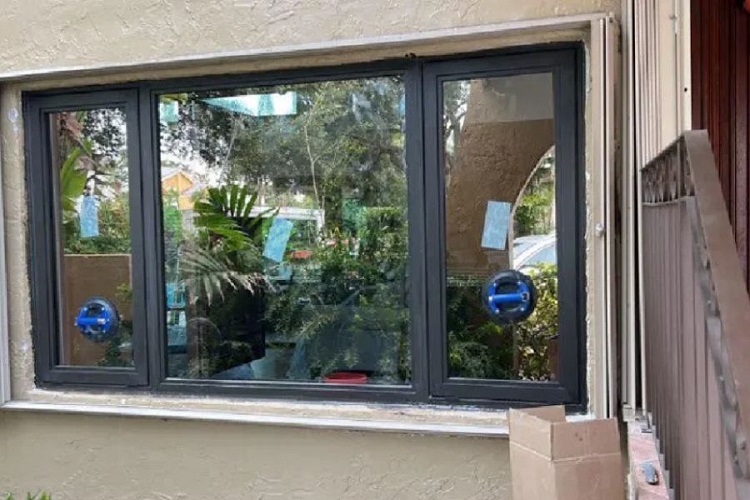
When you live in a hurricane-prone region, protecting your home is about more than convenience—it is about safety, property preservation, and long-term financial planning. One of the most effective upgrades homeowners consider is installing impact-resistant windows, commonly called impact windows or hurricane windows.
Understanding impact windows cost for hurricane protection involves much more than comparing product prices. Window size, frame material, glass type, local building codes, installation complexity, energy efficiency, insurance incentives, and financing options all affect the total investment.
This guide explains everything homeowners should know before purchasing impact windows, including realistic pricing factors, installation considerations, maintenance requirements, financing possibilities, and strategies for choosing the right contractor.
What Are Impact Windows?
Impact windows are specially engineered windows designed to withstand flying debris generated during severe storms, including hurricanes.
Unlike standard residential windows, impact windows use:
- Laminated impact-resistant glass
- Heavy-duty frames
- Reinforced glazing systems
- Stronger anchoring methods
The laminated glass consists of multiple layers bonded together with a durable interlayer. Even if the glass cracks after a major impact, the interlayer helps keep the window intact instead of shattering into dangerous pieces.
This design helps protect homes from:
- Windborne debris
- Broken glass injuries
- Wind pressure entering the home
- Water intrusion caused by broken windows
- Increased structural damage after window failure
Many impact windows are tested under recognized industry standards adopted by local building codes in hurricane-prone regions.
Why Hurricane Protection Matters
During hurricanes, broken windows can create dangerous pressure changes inside a home.
Once wind enters through failed openings, roof systems and walls may experience greater structural stress. Protecting vulnerable openings—including windows and doors—is an important component of hurricane-resistant home construction.
Impact windows also provide benefits outside hurricane season.
Common advantages include:
- Better home security
- Noise reduction
- UV protection for furnishings
- Improved energy efficiency
- Increased property value
- Reduced need to install temporary storm panels
Average Impact Windows Cost
There is no universal price because every project differs in size, materials, labor rates, and local code requirements.
The table below illustrates the primary cost categories rather than fixed nationwide pricing.
| Cost Factor | Influence on Price |
|---|---|
| Window dimensions | Larger windows require more materials |
| Glass specification | Higher-performance laminated glass costs more |
| Frame material | Vinyl, aluminum, fiberglass, and wood vary in price |
| Window style | Picture, casement, sliding, and specialty shapes differ |
| Installation complexity | Structural modifications increase labor |
| Local labor market | Regional contractor pricing varies |
| Permit requirements | Local jurisdictions may require inspections |
| Coastal building codes | Higher wind zones often require stricter products |
Rather than focusing only on the lowest quote, homeowners should evaluate the complete installation package, product certifications, warranty coverage, and contractor experience.
Major Factors That Affect Impact Windows Cost
Window Size
Larger windows require:
- More glass
- Larger frames
- Additional structural support
- Longer installation time
Custom-sized windows generally cost more than standard dimensions.
Window Style
Different operating styles influence manufacturing complexity.
Examples include:
- Single-hung
- Double-hung
- Casement
- Sliding
- Awning
- Fixed picture windows
- Bay windows
- Architectural shapes
Specialty designs typically require additional engineering.
Frame Material
Each frame material offers different advantages.
| Material | Benefits | Considerations |
|---|---|---|
| Vinyl | Low maintenance, energy efficient | May have fewer color options |
| Aluminum | Strong and corrosion resistant | Conducts heat more readily unless thermally improved |
| Fiberglass | Excellent durability and insulation | Often higher upfront cost |
| Wood | Traditional appearance | Requires regular maintenance |
Glass Options
Impact windows may include additional performance features such as:
- Low-E coatings
- Argon gas fills
- Solar control coatings
- Tinted glass
- Decorative glass
- Sound-reduction glass packages
Energy-efficient glass packages can improve year-round comfort while reducing solar heat gain.
Installation Difficulty
Installation costs may increase when projects involve:
- Masonry walls
- Concrete block construction
- Historic homes
- Structural repairs
- Large custom openings
- Multi-story homes
Replacing existing windows is generally less complex than creating entirely new window openings.
Installation Process
Professional installation is essential because even high-quality impact windows may not perform as intended if improperly installed.
A typical installation includes:
- Home inspection and measurements
- Product selection
- Permit application (where required)
- Manufacturing
- Removal of existing windows
- Inspection of framing
- Installation of new impact windows
- Proper fastening and sealing
- Interior and exterior finishing
- Final inspection
Contractors should follow manufacturer instructions and local building requirements.
Understanding Hurricane Ratings and Certifications
Not every window marketed for storms provides the same level of protection.
Homeowners should ask contractors about product testing and certifications applicable in their jurisdiction.
Common areas to discuss include:
- Impact resistance testing
- Wind pressure ratings
- Water infiltration testing
- Air leakage performance
- Structural performance
Products installed in coastal areas often must comply with local building code requirements adopted from the International Code Council (ICC) and related testing standards.
Energy Efficiency Benefits
Impact windows can also improve home energy performance.
Depending on the selected glazing package, homeowners may benefit from:
- Reduced heat transfer
- Lower solar heat gain
- Improved indoor comfort
- Reduced fading of furniture and flooring
- Lower HVAC workload
Some products may qualify for ENERGY STAR® certification depending on climate zone and product configuration.
Insurance Considerations
Many insurers evaluate hurricane mitigation improvements when determining premiums.
Potential insurance-related benefits may include:
- Documentation of impact-resistant openings
- Eligibility for certain mitigation discounts where available
- Reduced likelihood of severe storm damage claims
Insurance discounts vary by insurer, state regulations, policy terms, and verified installation. Homeowners should contact their insurance provider before beginning a project to understand available incentives and documentation requirements.
Financing Options
Because impact windows represent a significant investment, many homeowners explore financing solutions.
Possible options include:
Home Equity Loan
Suitable for homeowners with available equity who want predictable payments.
Home Equity Line of Credit (HELOC)
Offers flexible borrowing for phased remodeling projects.
Cash-Out Refinance
Some homeowners refinance an existing mortgage to fund larger renovation projects, depending on interest rates and lender qualifications.
FHA Programs
Certain rehabilitation or improvement projects may qualify under programs administered through the Federal Housing Administration (FHA), depending on eligibility requirements and lender participation.
Contractor Financing
Some contractors partner with lenders that offer installment financing for home improvement projects.
Always compare:
- Interest rates
- Loan fees
- Repayment period
- Early payoff terms
- Total borrowing cost
Maintenance Requirements
Impact windows generally require less maintenance than traditional storm protection systems.
Routine maintenance includes:
- Cleaning glass with manufacturer-approved products
- Inspecting weatherstripping
- Lubricating moving hardware
- Checking drainage channels
- Examining exterior sealants
- Looking for signs of corrosion near coastal environments
Seasonal Maintenance Checklist
- Inspect glass for chips or cracks
- Clean tracks and drainage openings
- Test locks and latches
- Inspect caulking
- Verify smooth operation
- Remove debris from exterior frames
- Schedule professional inspection if damage is suspected
Warranties
Warranty coverage varies by manufacturer.
Separate warranties may apply to:
- Glass
- Frames
- Hardware
- Finish
- Installation workmanship
Before purchasing, request written documentation explaining:
- Coverage period
- Exclusions
- Transferability
- Required maintenance
- Claim procedures
Impact Windows vs Hurricane Shutters
| Feature | Impact Windows | Hurricane Shutters |
|---|---|---|
| Permanent protection | Yes | No |
| Storm preparation | Minimal | Must be deployed before storms |
| Everyday visibility | Normal | May block views when closed |
| Security benefits | Yes | Limited when open |
| Noise reduction | Often improved | Minimal |
| UV protection | Often included | Limited |
| Energy efficiency | Can improve insulation | Minimal impact |
Some homeowners choose to combine both systems for added protection, depending on local risks and budget.
Common Mistakes to Avoid
Avoid these common purchasing mistakes:
- Choosing products based solely on price
- Hiring contractors without verifying licensing requirements in the local jurisdiction
- Ignoring manufacturer certifications
- Overlooking warranty details
- Failing to obtain required permits
- Comparing products with different performance specifications
- Assuming all laminated glass qualifies as hurricane-impact rated
- Not discussing insurance documentation before installation
How to Choose the Right Contractor
Before signing a contract, ask prospective contractors:
- How long have you installed impact windows?
- Which manufacturers do you recommend?
- Are permits included?
- Will you handle inspections?
- What warranties are provided?
- Can you explain the installation process?
- Will the project comply with applicable local building requirements?
- Can you provide references from similar projects?
Obtaining multiple written estimates allows homeowners to compare scope, materials, timelines, and warranty terms—not just price.
Long-Term Value of Impact Windows
Although impact windows require a substantial upfront investment, many homeowners consider them valuable because they can:
- Improve hurricane resilience
- Reduce reliance on temporary storm protection
- Enhance home security
- Improve comfort throughout the year
- Reduce outside noise
- Increase curb appeal
- Appeal to future homebuyers
- Potentially lower maintenance associated with storm preparation
The overall financial return depends on local climate, insurance policies, energy costs, housing market conditions, and the quality of installation.
Frequently Asked Questions
Are impact windows required in hurricane-prone areas?
Requirements vary by state and local building code. New construction and major renovations in high-wind regions often have stricter requirements than interior areas. Check with your local building department.
Can impact windows break during a hurricane?
The outer glass layer may crack after severe impacts, but properly certified impact windows are designed so the laminated interlayer helps keep the opening protected rather than allowing the glass to shatter completely.
Do impact windows eliminate the need for shutters?
Many homeowners rely solely on impact windows, while others add shutters for an additional layer of protection. The appropriate solution depends on local regulations, personal preferences, and property-specific risk.
Will impact windows reduce energy bills?
Many impact windows include energy-efficient glazing options that may improve insulation and reduce solar heat gain. Actual savings depend on climate, window specifications, and the home's overall efficiency.
How long do impact windows last?
Service life depends on product quality, environmental conditions, installation quality, and maintenance. Regular inspections and proper care help maximize long-term performance.
Final Thoughts
Choosing impact windows is both a safety decision and a long-term home improvement investment. Rather than focusing only on initial purchase price, homeowners should evaluate product certifications, installation quality, frame materials, energy performance, warranty coverage, financing options, and insurance implications.
Working with experienced contractors, comparing complete project proposals, and selecting products that meet applicable building requirements can help ensure your investment provides dependable hurricane protection, everyday comfort, and lasting value for years to come.